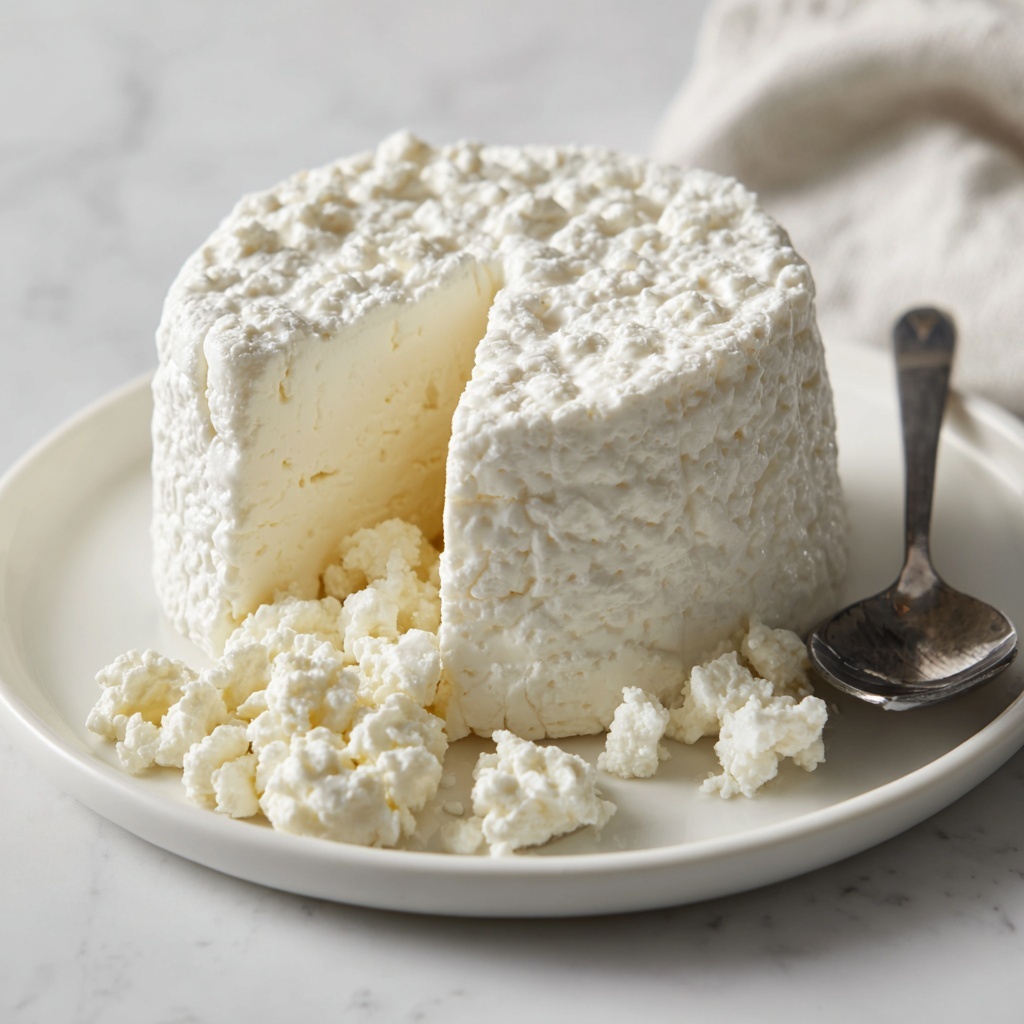
If you’ve ever dreamed of making your own fresh, soft cheese right in your kitchen, this Farmer’s Cheese (Tvorog) Recipe is exactly what you need. It’s a delightfully simple homemade cheese, creamy and tangy, that brings a wholesome charm to any meal or snack. With just a few basic ingredients and some gentle patience, you’ll transform everyday milk into a fresh dairy treasure that’s perfect spread on bread, mixed into salads, or just enjoyed as is. This recipe is a wonderful way to connect with a traditional technique and savor the pure, delicate flavor of homemade cheese without any fuss.
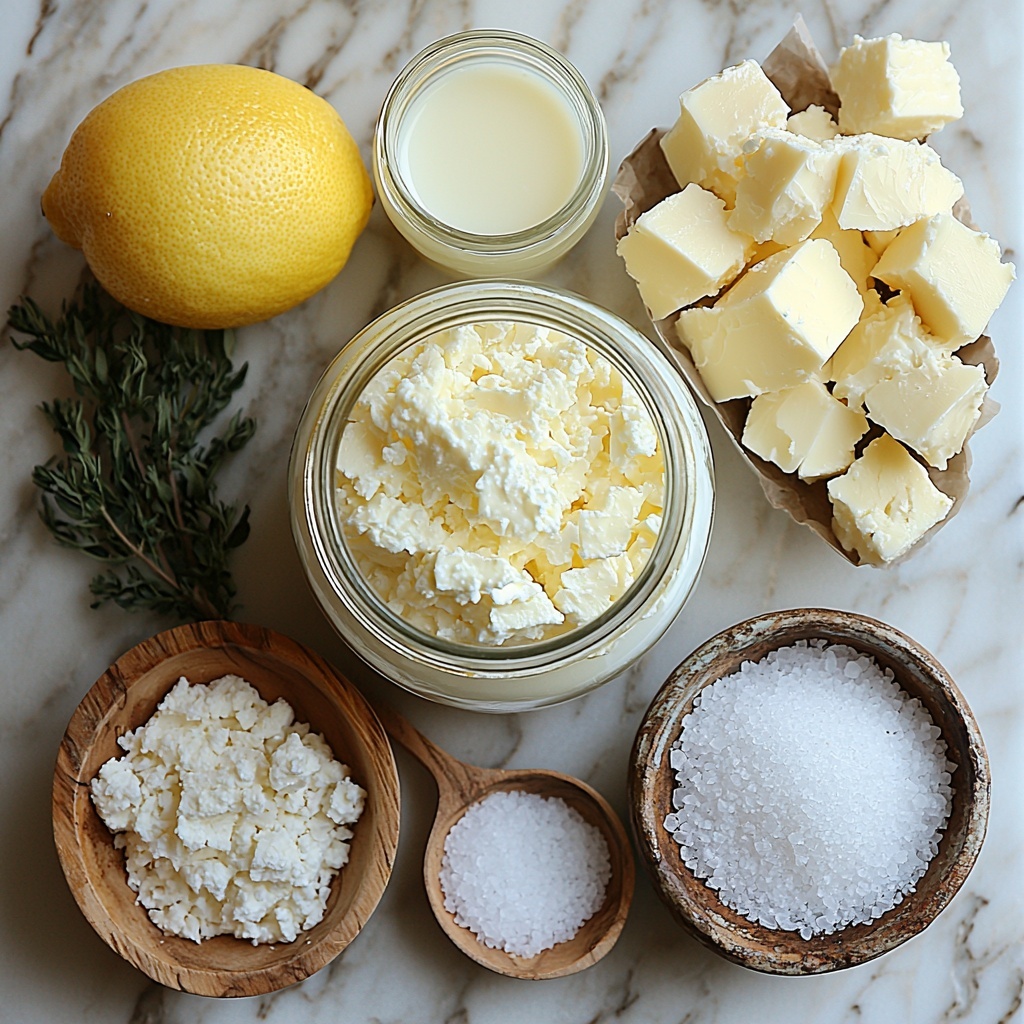
Ingredients You’ll Need
To make this Farmer’s Cheese (Tvorog) Recipe, you’ll only need a handful of straightforward ingredients. Each one plays an essential role, whether it’s creating the perfect curd, adding subtle tang, or seasoning the final cheese just right.
- Whole milk: The star ingredient, providing richness and creaminess for luscious curds.
- White vinegar: Helps to gently acidify the milk and prompt curdling for smooth texture.
- Freshly squeezed lemon juice: Adds natural acidity, balancing the flavor and aiding coagulation.
- Sea salt (optional): Enhances the flavor, bringing out the delicate, fresh cheese notes.
How to Make Farmer’s Cheese (Tvorog) Recipe
Step 1: Slowly Heat the Milk
Start by combining the whole milk with a pinch of sea salt in a pot or Dutch oven. Warm the milk slowly over medium heat, taking care not to rush this process. You’ll want the milk just shy of simmering, with small bubbles gently forming on the surface. This slow heating, which takes about 30 to 40 minutes, is crucial to developing the right consistency without scorching or boiling the milk.
Step 2: Curds and Whey Formation
Once your milk has reached the ideal temperature, turn off the heat and stir in the white vinegar and freshly squeezed lemon juice. This acid blend causes the milk to curdle naturally over several minutes. Patience here is key — let the mixture rest without disturbance for 10 to 15 minutes so that the curds fully separate from the whey, creating that classic Farmer’s Cheese texture.
Step 3: Strain the Curds
Now, line a colander with cheesecloth and position it over a large bowl or pot to catch the draining whey. Carefully pour the curdled milk mixture into the cheesecloth-lined colander. This process captures the soft, delicate curds while allowing the liquid whey to drain away, setting the stage for a fresh, fluffy cheese.
Step 4: Press Out Excess Liquid
To help your Farmer’s Cheese firm up, carefully gather the edges of the cheesecloth and squeeze or wring it to press out as much moisture as possible. This step intensifies the flavor and gives the cheese a satisfying texture that’s both creamy and firm enough to slice or spread.
Step 5: Season the Cheese
Unwrap the cheesecloth and sprinkle the curds with sea salt if you like. Toss gently to ensure the seasoning is evenly distributed. This is where you can adjust the flavor to your liking, enhancing the natural tang of the tvorog with just a touch of saltiness.
Step 6: Shape and Chill
If you prefer a firmer, sliceable cheese, wrap the curds tightly again in the cheesecloth and shape into a disc. Place this disc on a plate and set a heavy weight on top to press for one to two hours in the refrigerator. This pressing process helps the cheese hold its shape and deepens the flavors, making it perfect for a variety of dishes.
How to Serve Farmer’s Cheese (Tvorog) Recipe
Garnishes
Farmer’s Cheese is wonderfully versatile when it comes to garnishes. A sprinkle of fresh herbs like dill or chives adds a burst of color and freshness. For a salty-sweet contrast, try topping it with a drizzle of honey or some crushed nuts. These simple touches bring an elegant flair that makes the cheese shine on its own or as part of a platter.
Side Dishes
This Farmer’s Cheese (Tvorog) Recipe pairs beautifully with fresh fruits like ripe tomatoes, cucumbers, or berries. Serve alongside warm, crusty bread or crispy crackers for a snack that feels humble yet indulgent. It also works as an excellent accompaniment to grilled vegetables or a vibrant salad, adding a creamy texture and tangy brightness.
Creative Ways to Present
Think beyond the usual and incorporate this homemade tvorog into layered parfaits with yogurt and fruit, or use it as a filling for stuffed pastries and savory blintzes. You can even blend it with herbs and spices to create a delightful spread or dip. Its mild flavor makes it a canvas for endless culinary creativity.
Make Ahead and Storage
Storing Leftovers
Once made, Farmer’s Cheese should be stored in an airtight container in the refrigerator. It will keep its fresh flavor and creamy texture for up to a week, making it a fantastic make-ahead ingredient to brighten many meals throughout the week.
Freezing
If you want to keep your Farmer’s Cheese longer, you can freeze it, but be aware that the texture may change slightly upon thawing, becoming more crumbly. For best results, freeze in small portions wrapped tightly in plastic wrap then placed in freezer bags to preserve freshness.
Reheating
Since Farmer’s Cheese is best enjoyed fresh or cold, reheating is usually not necessary. If warming is desired, do so gently over low heat or incorporate it into cooked dishes where the texture changes are welcome, such as baked casseroles or soufflés.
FAQs
What is the difference between Farmer’s Cheese and ricotta?
Farmer’s Cheese (Tvorog) typically has a firmer texture and slightly tangier flavor compared to ricotta, which is softer and sweeter. The making process also differs, with tvorog using acid-coagulated milk and ricotta produced from whey.
Can I use low-fat milk for this Farmer’s Cheese (Tvorog) Recipe?
Whole milk works best because it creates creamy curds with rich flavor. Using low-fat milk will result in a drier, less creamy cheese, but you can still make it if you prefer a lighter option.
Do I have to use both vinegar and lemon juice?
Using both white vinegar and lemon juice ensures a good balance of acidity to curdle the milk effectively. However, you can use either one alone, just adjusting the amount to achieve proper curdling.
Is cheesecloth necessary for straining?
Cheesecloth is ideal because it allows whey to drain while holding the curds together. If you don’t have cheesecloth, a clean, fine-weave kitchen towel or multiple layers of muslin will work as substitutes.
How can I tell when the milk has reached the right temperature?
You’re looking for tiny bubbles forming on the surface and steam starting to rise, but the milk should not boil. If you notice large bubbles or rapid boiling, reduce the heat to avoid scorching or altering the texture.
Final Thoughts
Making your own Farmer’s Cheese (Tvorog) Recipe is such a rewarding experience that fills your kitchen with comforting warmth and a wonderful homemade touch. It’s a simple recipe that reminds us that the best ingredients and a little patience can transform ordinary milk into something truly special. Give it a try—you might just find this fresh, tangy cheese becomes a new favorite in your culinary repertoire!
Print
Farmer’s Cheese (Tvorog) Recipe
- Prep Time: 5 minutes
- Cook Time: 40 minutes
- Total Time: 50 minutes
- Yield: Approximately 1 to 1.25 pounds of farmer’s cheese
- Category: Cheese
- Method: Stovetop
- Cuisine: Eastern European
- Diet: Vegetarian
Description
This homemade Farmer’s Cheese (Tvorog) recipe shows you how to transform simple whole milk into a fresh, tangy, and creamy cheese using natural acids like vinegar and lemon juice. Perfect for spreading, cooking, or adding to dishes, this rustic cheese captures the heart of traditional dairy-making with minimal ingredients and straightforward stovetop steps, delivering approximately 1 to 1.25 pounds of fresh cheese.
Ingredients
Ingredients
- 1 gallon Whole milk
- 6 tbsp White vinegar
- 2 tbsp Freshly squeezed lemon juice (or more vinegar as preferred)
- 1/2 tsp Sea salt (optional, to taste)
Instructions
- Heat the Milk: Combine the milk with a pinch of salt in a pot or Dutch oven. Place it over medium heat on the stovetop. Slowly heat the milk until it reaches just before simmering, taking about 30-40 minutes. You’ll see small bubbles forming and popping on the surface, but be careful not to let the milk boil or scorch.
- Add Acid to Curdle: Turn off the heat and stir in the white vinegar and freshly squeezed lemon juice. The acid will initiate the curdling process, separating the milk into curds and whey over several minutes. Let the mixture rest undisturbed in the pot for 10-15 minutes to fully separate.
- Drain the Curds: Line a colander with cheesecloth and place it over a large bowl or pot. Carefully pour the curdled milk mixture through the cheesecloth to catch the curds while allowing the whey to drain off.
- Press Out Excess Liquid: Gather the edges of the cheesecloth and tightly wrap around the curds. Wring or squeeze to press out as much liquid as possible, which helps the cheese firm up.
- Season the Cheese: Unwrap the cheesecloth and sprinkle sea salt over the curds to taste. Gently mix to evenly distribute the salt throughout the cheese.
- Press and Chill (Optional for Firmer Cheese): For a firmer texture, re-wrap the curds tightly in the cheesecloth, shape into a disc, and place on a plate. Set a heavy weight on top to press the cheese and refrigerate for 1-2 hours before serving.
Notes
- Use whole milk for creamiest results but reduced-fat milk can also be used resulting in a lighter texture.
- The amount of lemon juice or vinegar can be adjusted slightly depending on milk freshness to ensure proper curdling.
- Do not boil the milk as this can cause unpleasant flavors and uneven curd formation.
- Pressing the cheese longer results in a firmer texture, while less pressing keeps it softer and crumbly.
- Store farmer’s cheese wrapped and refrigerated; consume within 3-5 days for freshness.
- This cheese can be used in spreads, baking, or eaten plain with herbs and spices.