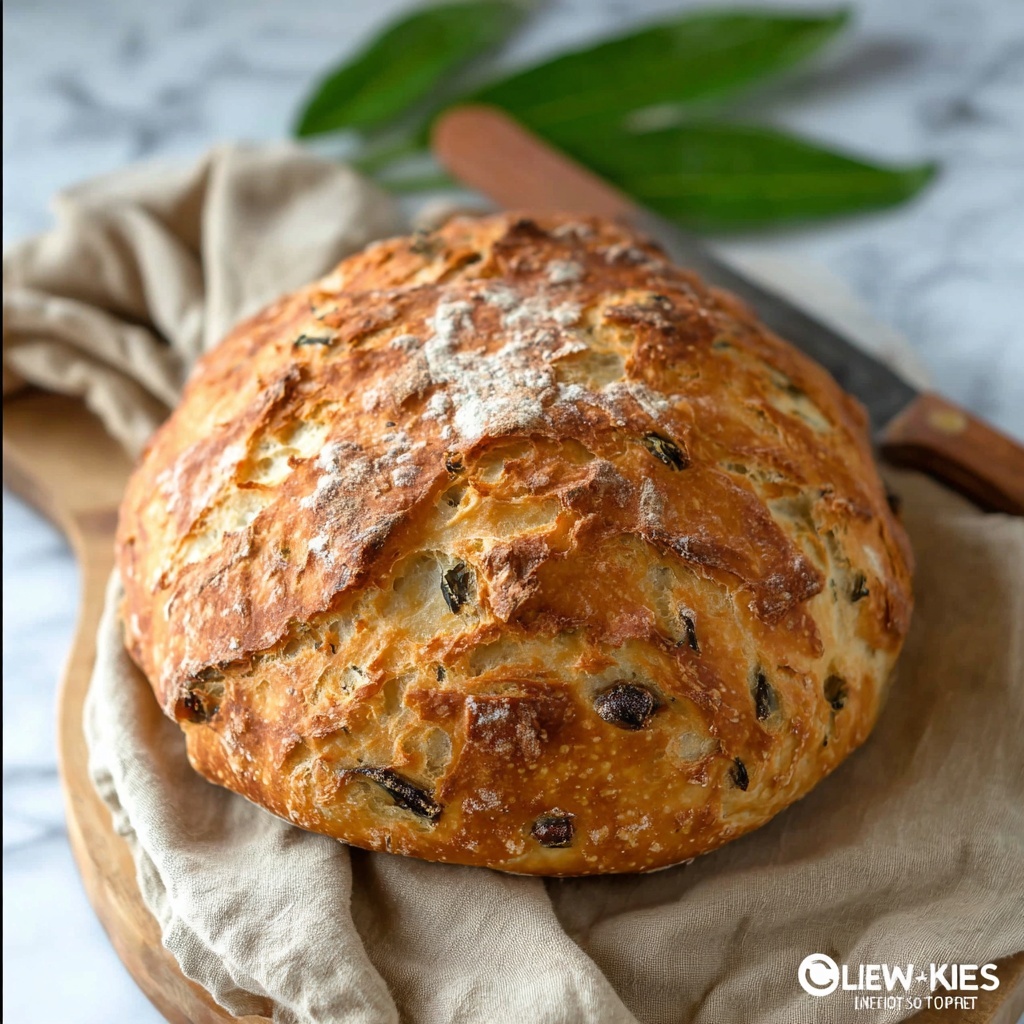
If you’ve been on the hunt for a delightful bread recipe that is both simple and packed with fresh, vibrant flavors, let me introduce you to this absolute gem: the Bärlauchbrot aus dem Topf mit Dinkelmehl ohne Kneten Recipe. This no-knead wild garlic bread uses wholesome spelt flour and is baked in a cast-iron pot, resulting in an irresistibly crusty crust with a soft, aromatic crumb. It’s the perfect way to bring a touch of spring’s freshest herbs into your kitchen with minimal fuss and maximum flavor.
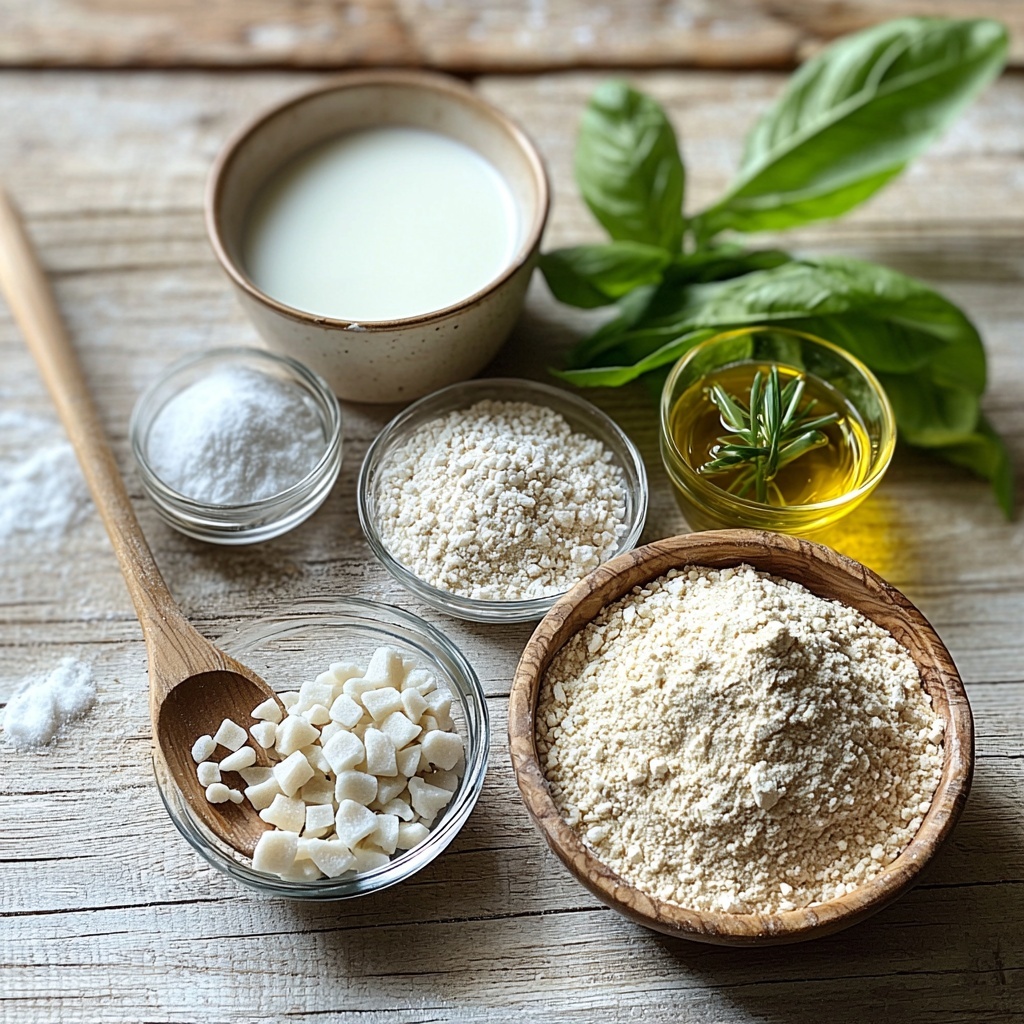
Ingredients You’ll Need
Each ingredient in this recipe has a role to play, whether it’s building the dough’s structure, adding moisture, or infusing that unmistakable garlicky aroma. The list is straightforward, making this bread both accessible and impressive.
- 375 g Buttermilch (or vegan alternative): This tangy liquid tenderizes the dough and adds subtle richness.
- 8 g fresh yeast (or 25 g for faster rise): The magic behind the bread’s rise and airy texture.
- 1.5 teaspoons sugar: Feeds the yeast to kickstart fermentation.
- 320 g spelt flour (Dinkelmehl 630): Adds nuttiness and a hearty texture to the crumb.
- 230 g wheat flour (Weizenmehl 550): Brings softness and structure.
- 30 g olive oil: Enhances the crumb’s tenderness and imparts a subtle fruity note.
- 2.5 teaspoons salt or wild garlic salt: Balances flavors and boosts taste complexity.
- 20–25 Bärlauch (wild garlic) leaves, finely chopped: The star ingredient that makes this bread unmistakably fresh and aromatic.
How to Make Bärlauchbrot aus dem Topf mit Dinkelmehl ohne Kneten Recipe
Step 1: Activate the Yeast
Start by mixing the buttermilk, fresh yeast, and sugar in your mixing bowl. Let it rest for a few minutes so the yeast begins to bloom and dissolve fully. This sets a lively, bubbly foundation for your dough without any complicated steps.
Step 2: Combine All Ingredients
Next, add both flours, olive oil, salt, and the finely chopped wild garlic leaves to the bowl. Mix everything together, then knead gently for about 4 minutes. You’ll notice the dough forming a sticky, elastic ball that’s ready for rising – all without a heavy hand or hours of kneading.
Step 3: Time to Rise
Transfer your dough to an oiled bowl. You have two options here: either let the dough rise for 1 hour using 25 grams of yeast for a quick lift, or refrigerate it overnight (12-14 hours) with 8 grams of yeast for slow fermentation and deeper flavor. The overnight rest especially enhances the complexity of the crumb and aroma.
Step 4: Shape and Fold
After the rise, gently fold the dough 10 times with damp hands right in the bowl to develop strength and shape the loaf. Then transfer it round into a proofing basket for its final rest. Meanwhile, preheat your oven and place your cast-iron pot or Dutch oven inside with the lid on – this makes sure the baking vessel is beautifully hot when it’s time to bake.
Step 5: Into the Hot Pot
Once your oven and pot have reached 240 degrees Celsius, carefully flip the loaf onto a baking parchment and drop both into the hot pot. This technique ensures the bread steams perfectly inside, helping to create that coveted crust.
Step 6: Bake
Bake the bread with the lid on for 30 minutes at 240 degrees, giving it a fantastic oven spring. Then, remove the lid and bake for an additional 10 minutes at 200 degrees to crisp up the crust to a beautiful golden brown. Be sure to watch closely so the crust doesn’t get too dark.
Step 7: Enjoy Fresh
Let your Bärlauchbrot aus dem Topf mit Dinkelmehl ohne Kneten Recipe cool just enough to slice and enjoy it warm. The aroma of wild garlic and the nutty spelt flavor make every slice a small celebration.
How to Serve Bärlauchbrot aus dem Topf mit Dinkelmehl ohne Kneten Recipe
Garnishes
Enhance your bread with simple garnishes like a drizzle of extra virgin olive oil, flaky sea salt, or a sprinkle of fresh Bärlauch leaves on top before serving. These little touches highlight the wild garlic flavor and invite guests to savor every bite.
Side Dishes
This bread pairs wonderfully with creamy dips like herb butter, goat cheese, or a rich tomato soup. Because it is so flavorful alone, it also makes an excellent companion to rustic pantry staples like aged cheeses, smoked meats, or even a fresh salad.
Creative Ways to Present
Try slicing the bread thickly and toasting it for bruschetta topped with ripe tomatoes and basil, or use it as a sandwich base for light spring fillings like radish and cucumber. The versatility of this Bärlauchbrot aus dem Topf mit Dinkelmehl ohne Kneten Recipe truly shines when you get creative!
Make Ahead and Storage
Storing Leftovers
Keep your bread fresh by wrapping it in a clean cotton kitchen towel and storing it in a bread box or a paper bag. This helps maintain its crust while preventing it from drying out for up to two days.
Freezing
If you want to enjoy this bread later, slice it and freeze the pieces separated by parchment paper. This way you can pull out single slices and toast them anytime without losing that fresh-baked goodness.
Reheating
To revive your bread’s crisp crust, heat slices in a toaster or the oven at 180 degrees Celsius for about 5-7 minutes. This brings back that freshly baked aroma and makes the crumb pleasantly soft again.
FAQs
Can I use regular yeast instead of fresh yeast?
Absolutely! If you have dry yeast on hand, use about one-third of the amount called for fresh yeast. Just mix it with the buttermilk and sugar to activate before proceeding with the recipe.
Is it possible to make this recipe without a cast-iron pot?
Yes, you can bake the bread on a preheated baking stone or a heavy oven tray. To mimic the steam effect, place a small oven-safe dish of water on the bottom rack while baking to help achieve a crispy crust.
How do I know when the bread is fully baked?
The loaf should sound hollow when tapped on the bottom, and it will have a deep golden crust. Using an instant-read thermometer, the internal temperature should reach around 95 degrees Celsius for perfect doneness.
Can I substitute the wild garlic with another herb?
While wild garlic is the star of this recipe, fresh herbs like basil, chives, or rosemary can be used for a different but delicious twist. Just remember to adjust quantities to your taste preference.
How long can I let the dough rise in the fridge?
For overnight fermentation, 12 to 14 hours is ideal. You can extend this a bit longer if needed, but avoid going beyond 24 hours to prevent over-fermentation, which might slightly alter texture and flavor.
Final Thoughts
This Bärlauchbrot aus dem Topf mit Dinkelmehl ohne Kneten Recipe is such a joyful baking experience that brings fresh springtime flavors straight into your home kitchen. It’s wonderfully easy, deeply satisfying, and perfect for sharing with friends and family. Give it a try, and you might just find yourself reaching for wild garlic every season!
Print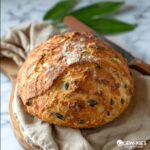
Bärlauchbrot aus dem Topf mit Dinkelmehl ohne Kneten Recipe
- Prep Time: 15 minutes
- Cook Time: 40 minutes
- Total Time: 1 hour 15 minutes (or overnight plus 40 minutes cooking)
- Yield: 12 servings
- Category: Bread
- Method: Baking
- Cuisine: German
- Diet: Vegetarian
Description
This Bärlauchbrot aus dem Topf is a flavorful wild garlic bread made with a blend of spelt and wheat flours, prepared without kneading for ease. The dough undergoes a slow fermentation to develop deep flavors and is baked in a preheated cast iron pot for a rustic crust and tender crumb. Perfect served warm, this aromatic bread showcases seasonal wild garlic and offers a wholesome, homemade delight.
Ingredients
Wet Ingredients
- 375 g Buttermilch (vegan alternative in notes)
- 30 g Olivenöl
Dry Ingredients
- 8 g fresh yeast (for overnight fermentation) or 25 g fresh yeast (for 1-hour proofing)
- 1.5 tsp Sugar
- 320 g Spelt flour (type 630)
- 230 g Wheat flour (type 550)
- 2.5 tsp Salt or wild garlic salt (Bärlauchsalz)
- 20 – 25 wild garlic leaves (finely chopped)
Instructions
- Activate yeast: Combine the buttermilk, fresh yeast, and sugar in a mixing bowl or mixer bowl and mix well. Let it stand for a while so the yeast can dissolve and become active.
- Mix dough: Add all the remaining ingredients to the yeast mixture. Knead the dough for about 4 minutes until well combined and elastic. This step can be done in a stand mixer or by hand.
- Fermentation: Transfer the dough into a greased bowl. Cover and let it rise either for 1 hour at room temperature if using 25 g of yeast, or refrigerate overnight (approximately 12-14 hours) using 8 g yeast for a longer fermentation.
- Shape and prepare for baking: After fermentation, wet your hands and fold the dough in the bowl 10 times to develop structure. Shape the dough into a round loaf and place it into a banneton (proofing basket). Meanwhile, preheat the oven and place a cast iron pot or Dutch oven with its lid inside to heat up.
- Transfer to pot: When the oven has reached temperature, carefully turn the dough onto a sheet of parchment paper. Using the paper, lower the dough into the hot cast iron pot. This helps retain shape and creates steam inside the pot for a perfect crust.
- Baking phase 1: Bake at 240°C (top and bottom heat) for 30 minutes with the lid on. This traps steam and aids crust development.
- Baking phase 2: Remove the lid and continue baking for another 10 minutes at 200°C. Keep an eye on the bread to ensure it doesn’t get too dark.
- Cool and serve: Let the bread cool slightly then enjoy warm for the best flavor and texture.
Notes
- For a vegan version, substitute buttermilk with a plant-based milk mixed with a little vinegar or lemon juice to mimic acidity.
- The long, cold fermentation enhances flavor and digestibility of the bread.
- Using a cast iron pot creates a steamy environment essential for bread with a crisp crust.
- The wild garlic can be swapped with fresh herbs like chives or parsley if unavailable.