“`html
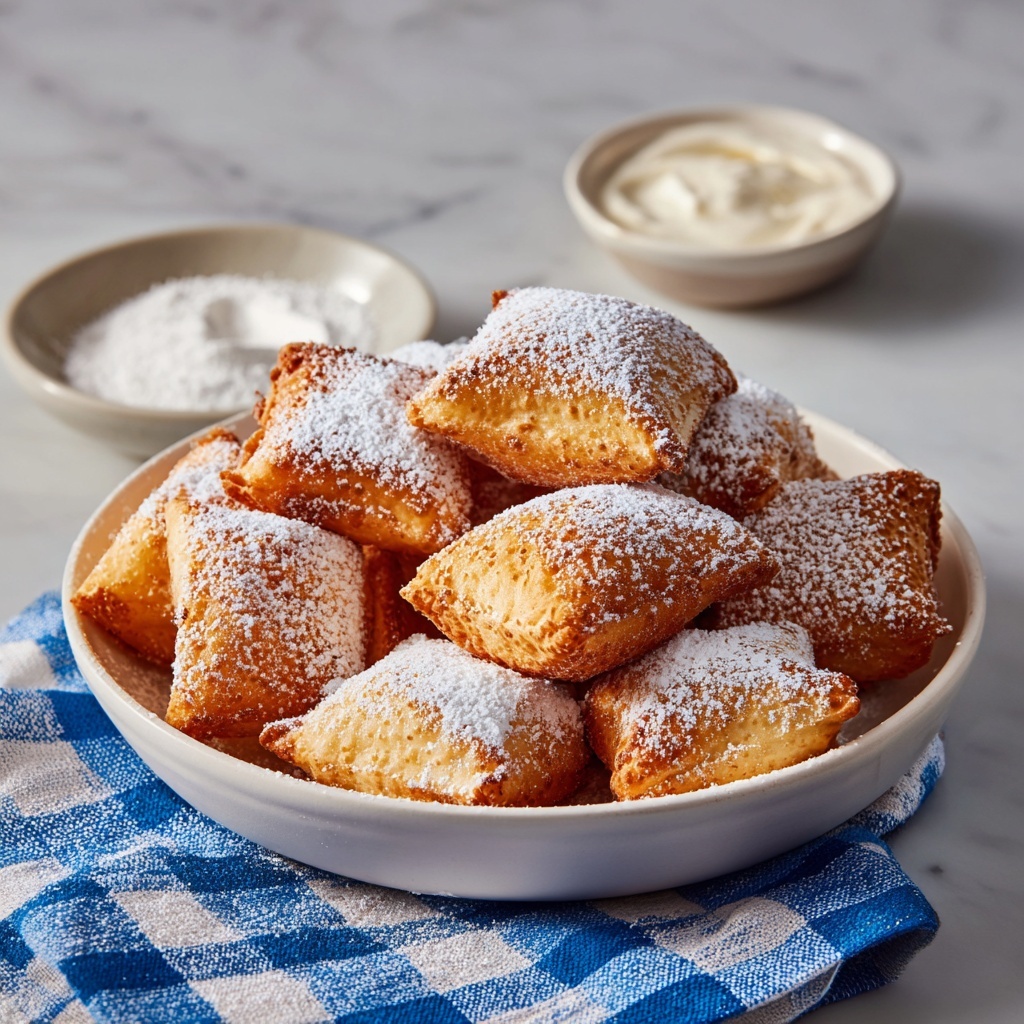
If you have a soft spot for warm, pillowy treats that melt in your mouth and bring a smile with every bite, this Beignet Recipe is exactly what your kitchen needs. These classic French-style doughnuts, dusted generously with powdered sugar, offer a delightful balance of light, fluffy interior and a slightly crisp golden outside. Whether you’re making them for a cozy brunch or a festive gathering, this Beignet Recipe will become your go-to for whipping up a sweet bite of happiness that’s truly irresistible.
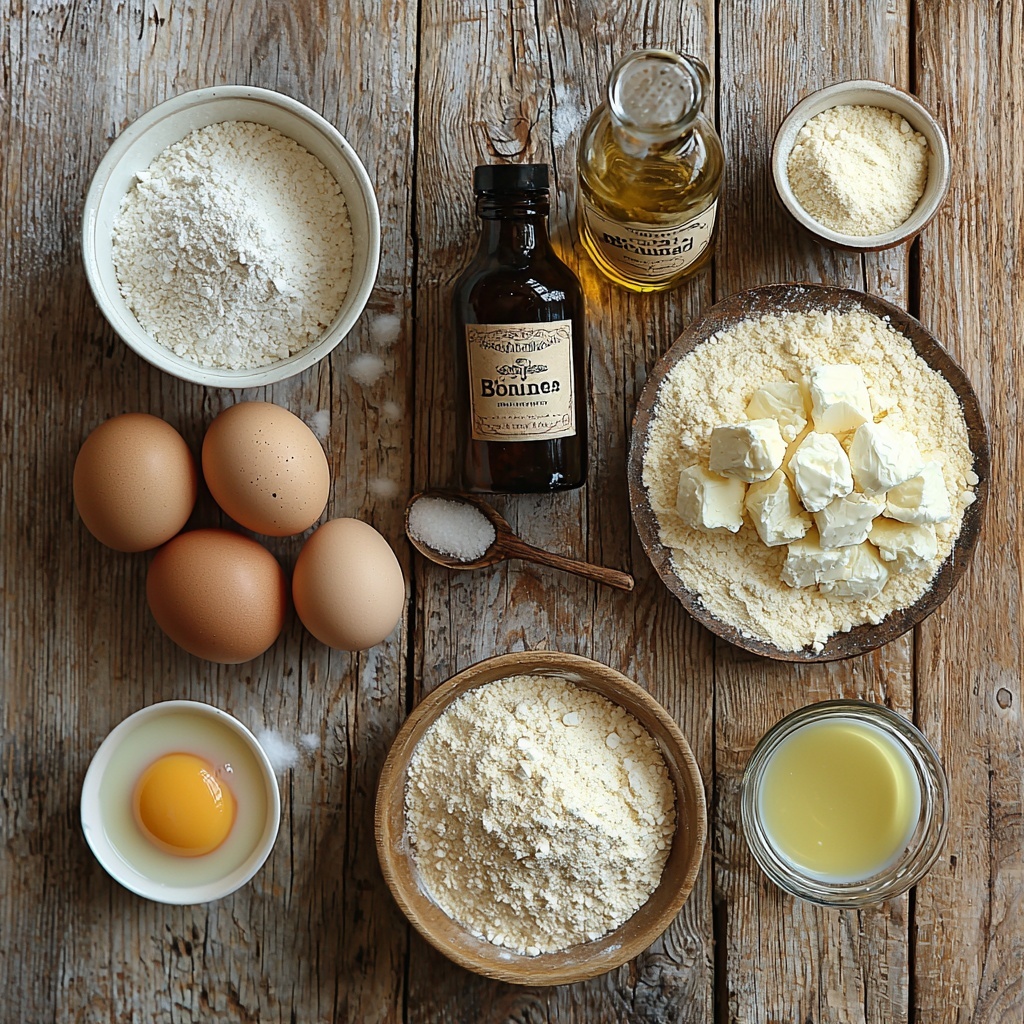
Ingredients You’ll Need
The ingredients for this Beignet Recipe are wonderfully straightforward yet each plays a crucial role in achieving the perfect fluffy texture and rich flavor. By using fresh yeast, whole milk, and a bit of melted butter, you’ll create a delicate dough that fries beautifully into those iconic, airy squares everyone loves.
- Warm water (3/4 cup, 105-110°F): Activates the yeast and begins the dough rising process, essential for lightness.
- Active dry yeast (2 1/4 teaspoons): The magical leavening agent that gives beignets their airy puff.
- Granulated sugar (1/3 cup): Adds a touch of sweetness that balances perfectly with powdered sugar dusting.
- Eggs (2, room temperature): Contribute richness and help bind the dough together.
- Whole milk (1/2 cup, room temperature): Provides moisture and tenderness for a soft crumb.
- Vanilla extract (1/2 teaspoon): Infuses subtle warmth and aroma that rounds out the flavor.
- All-purpose flour (4 cups, plus extra for rolling): The structure-builder of the dough, creating a perfect chew.
- Salted butter (3 tablespoons, melted): Adds depth and richness, making the dough tender yet flavorful.
- Vegetable oil (4-8 cups for frying): Ideal for frying to a light crisp without overpowering taste.
- Powdered sugar (2 cups for dusting): The iconic finishing touch that defines this indulgent treat.
How to Make Beignet Recipe
Step 1: Activate the Yeast
Start by dissolving the active dry yeast in the warm water. Let it sit for about 5 minutes until it becomes foamy and bubbly. This step is key because it means your yeast is alive and ready to help your dough rise into those wonderfully airy beignets.
Step 2: Mix Wet Ingredients
In a large bowl, whisk together sugar, eggs, milk, vanilla extract, and the melted butter. Once combined, gently stir in the foamy yeast mixture. This blend of rich and sweet ingredients ensures your dough will have both flavor and softness.
Step 3: Combine with Flour
Gradually add the flour into your wet ingredients, stirring as you go, until a sticky dough forms. The dough will be slightly tacky but not overly wet. Flour gives the beignets their structure to puff just right when fried.
Step 4: Knead the Dough
Turn the dough out onto a lightly floured surface and knead for about 5-7 minutes until smooth and elastic. This hands-on step develops gluten, creating that melt-in-your-mouth chewiness you’re aiming for in each beignet.
Step 5: First Rise
Place the dough in a lightly oiled bowl and cover it with a clean towel or plastic wrap. Let it rise in a warm spot for 1 to 1.5 hours, or until it doubles in size. This rest allows the dough to become light and airy, the hallmark of a perfect beignet.
Step 6: Roll and Cut
Once the dough has risen, roll it out on a floured surface to about 1/4-inch thickness. Cut into approximately 2 to 3-inch squares or rectangles. These shapes are classic and perfect for frying evenly.
Step 7: Fry and Dust
Heat the vegetable oil to 350°F in a deep fryer or heavy pot. Fry the dough squares in small batches until they puff up and turn golden, about 2-3 minutes per side. Drain on paper towels, then immediately dust with powdered sugar while still warm for maximum sweetness and that iconic look.
How to Serve Beignet Recipe
Garnishes
While the traditional powdered sugar is the beloved classic, you can also try sprinkling cinnamon sugar or even a light drizzle of honey for an extra layer of flavor. Fresh berries on the side add a burst of color and tartness that balances the sweetness beautifully.
Side Dishes
Serve your beignets alongside a steaming cup of chicory coffee or rich hot chocolate to make your experience extra indulgent. Fresh fruit salad or a dollop of whipped cream can add freshness and creaminess, turning your simple treat into a delightful brunch centerpiece.
Creative Ways to Present
For a fun twist, stack beignets in a charming pyramidal tower dusted heavily with powdered sugar for a dramatic effect. Or fill them with fruit preserves or chocolate after frying for a luscious surprise in each bite. The possibilities for presenting your beignets are as endless as your imagination!
Make Ahead and Storage
Storing Leftovers
If you have leftovers, store beignets in an airtight container at room temperature for up to 2 days. They may lose a bit of their crispiness but will still be delicious when reheated gently.
Freezing
To preserve beignets longer, freeze them in a single layer on a baking sheet, then transfer to a freezer bag. This way, they keep their shape and can be stored for up to 1 month. Freeze before dusting with powdered sugar for best results.
Reheating
Reheat frozen or stored beignets in a preheated 350°F oven for 5-7 minutes to regain some of their original crispness. Avoid microwaving as it tends to make them soggy. Once warm, dust with fresh powdered sugar and enjoy like they’re freshly made.
FAQs
Can I use instant yeast instead of active dry yeast?
Yes, you can swap active dry yeast for instant yeast. Since instant yeast doesn’t require proofing, you can mix it directly with the flour and other dry ingredients, adjusting the liquid slightly. It may shorten your dough rising time as well.
Why are my beignets not puffing up properly?
There are a few common reasons: your oil might not be hot enough, the dough might not have risen adequately, or the dough could be rolled too thin. Make sure your oil stays at about 350°F and allow the dough a full rise for that perfect puff.
Is it possible to make beignets gluten-free?
While traditional beignets rely on gluten for structure, you can experiment with gluten-free all-purpose blends. Expect a difference in texture but adding a bit of xanthan gum can help mimic the chewiness typical of classic beignets.
Can I prepare the dough the night before?
Absolutely! After kneading, cover and refrigerate the dough overnight. Just bring it back to room temperature and let it rise before rolling out and frying. This can actually enhance flavor development.
What’s the best oil for frying beignets?
Vegetable oil is ideal because it has a high smoke point and neutral flavor. You can also use canola or peanut oil. Avoid oils with low smoke points or strong flavors that might overwhelm the delicate beignet taste.
Final Thoughts
Making these fluffy, golden beignets at home is one of those joyful kitchen adventures that rewards you with pure deliciousness. This Beignet Recipe is approachable, comforting, and perfect for sharing smiles around the table. So grab your ingredients, roll up your sleeves, and treat yourself to some warm, sugar-dusted bliss—you won’t regret it!
“`
Print
Beignet Recipe
- Prep Time: 30 minutes
- Cook Time: 15 minutes
- Total Time: 45 minutes
- Yield: 6.5 servings
- Category: Dessert
- Method: Frying
- Cuisine: French
Description
This classic Beignet recipe yields light, airy, and fluffy French-style doughnuts dusted generously with powdered sugar. Perfect as a sweet treat or breakfast delight, these deep-fried dough pillows boast a tender crumb and subtle vanilla flavor.
Ingredients
Dough
- 3/4 cup warm water (105-110°F)
- 2 1/4 teaspoons active dry yeast (one standard packet)
- 1/3 cup granulated sugar
- 2 eggs (room temperature)
- 1/2 cup whole milk (room temperature)
- 1/2 teaspoon vanilla extract
- 4 cups all-purpose flour (plus extra for rolling)
- 3 tablespoons salted butter (melted)
For Frying
- 4–8 cups vegetable oil (for frying)
For Serving
- 2 cups powdered sugar (for dusting)
Instructions
- Activate the Yeast: In a large mixing bowl, combine the warm water (105-110°F) with the active dry yeast and a pinch of granulated sugar. Stir gently and let sit for about 5-10 minutes until the mixture becomes foamy, indicating the yeast is active.
- Mix the Wet Ingredients: In a separate bowl, whisk together the remaining sugar, eggs, whole milk, and vanilla extract until smooth and well combined.
- Combine Ingredients: Add the wet mixture to the activated yeast mixture. Gradually incorporate the flour and melted butter into the bowl, mixing continuously until the dough starts to come together.
- Knead the Dough: Transfer the dough to a floured surface and knead for about 5-8 minutes until the dough is smooth, elastic, and slightly sticky. Alternatively, use a stand mixer with a dough hook for kneading.
- First Rise: Place the dough in a lightly oiled bowl, cover with a clean kitchen towel or plastic wrap, and let it rise in a warm place for 1 to 1.5 hours until it doubles in size.
- Shape the Beignets: Punch down the risen dough and turn it onto a floured surface. Roll the dough out to about 1/4-inch thickness. Using a sharp knife or pizza cutter, cut the dough into 2×2 inch squares.
- Heat Oil and Fry: Heat vegetable oil in a deep fryer or large heavy pot to 360°F (182°C). Fry the dough squares a few at a time, turning occasionally, until they puff up and are golden brown on all sides, about 2-3 minutes per batch. Use a slotted spoon to remove and drain on paper towels.
- Serve: Generously dust the hot beignets with powdered sugar and serve immediately for the best fluffy, sweet taste experience.
Notes
- Ensure the water temperature is between 105-110°F to properly activate the yeast without killing it.
- Maintain oil temperature at 360°F to achieve perfectly crisp and golden beignets without absorbing excess oil.
- Roll dough to 1/4 inch thickness for ideal puffing during frying.
- Use fresh yeast for the best rise and texture.
- Beignets are best enjoyed warm on the day they are made.
- If dough becomes too sticky, lightly flour your hands and surface during shaping to handle easily.