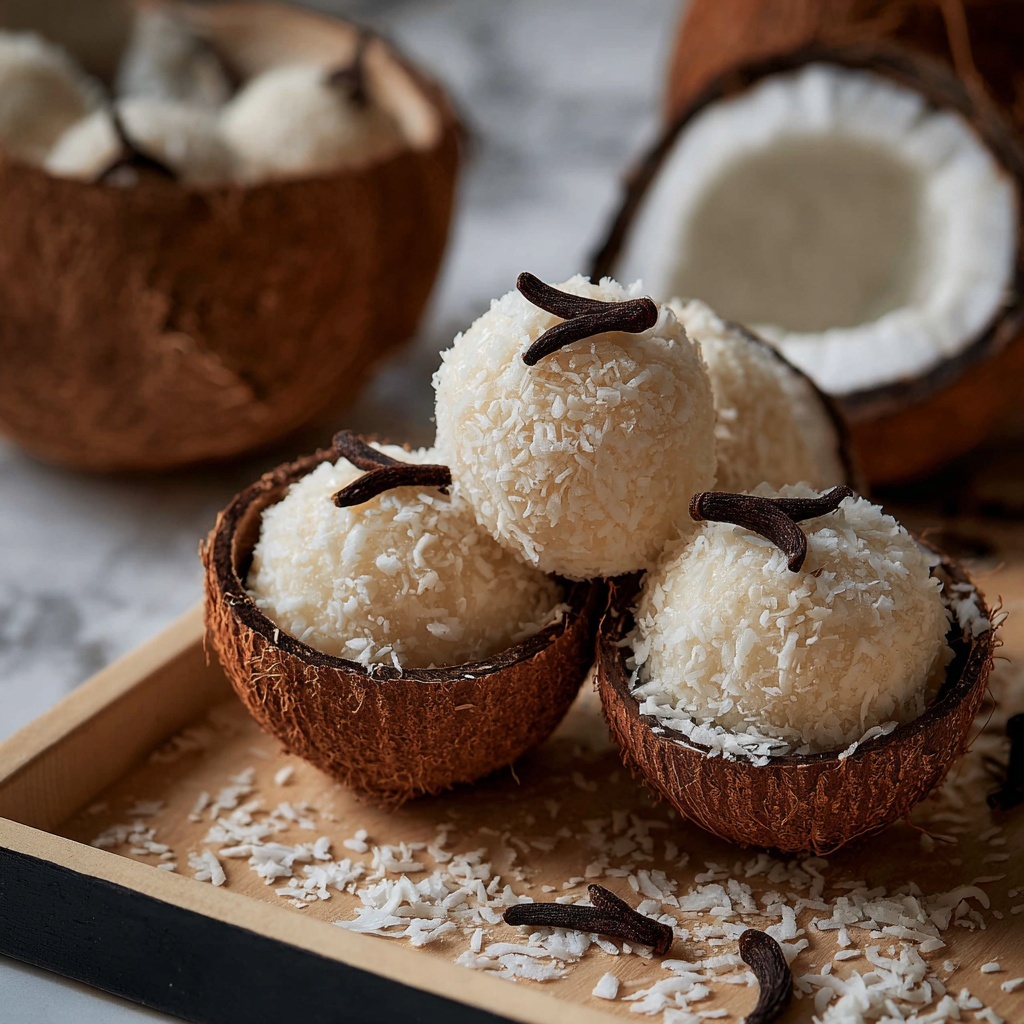
If you have a sweet tooth and a love for tropical flavors, you are in for a treat with this Beijinho (Brazilian Coconut Balls) Recipe. These little delights are chewy, creamy, and bursting with the rich flavor of coconut combined with the silky sweetness of condensed milk. Beijinhos are a beloved Brazilian confection that’s both simple to make and guaranteed to bring a smile to anyone’s face. Whether for a party, a family gathering, or just a cozy afternoon indulgence, this recipe brings a taste of Brazil’s festive spirit right into your kitchen.
Ingredients You’ll Need
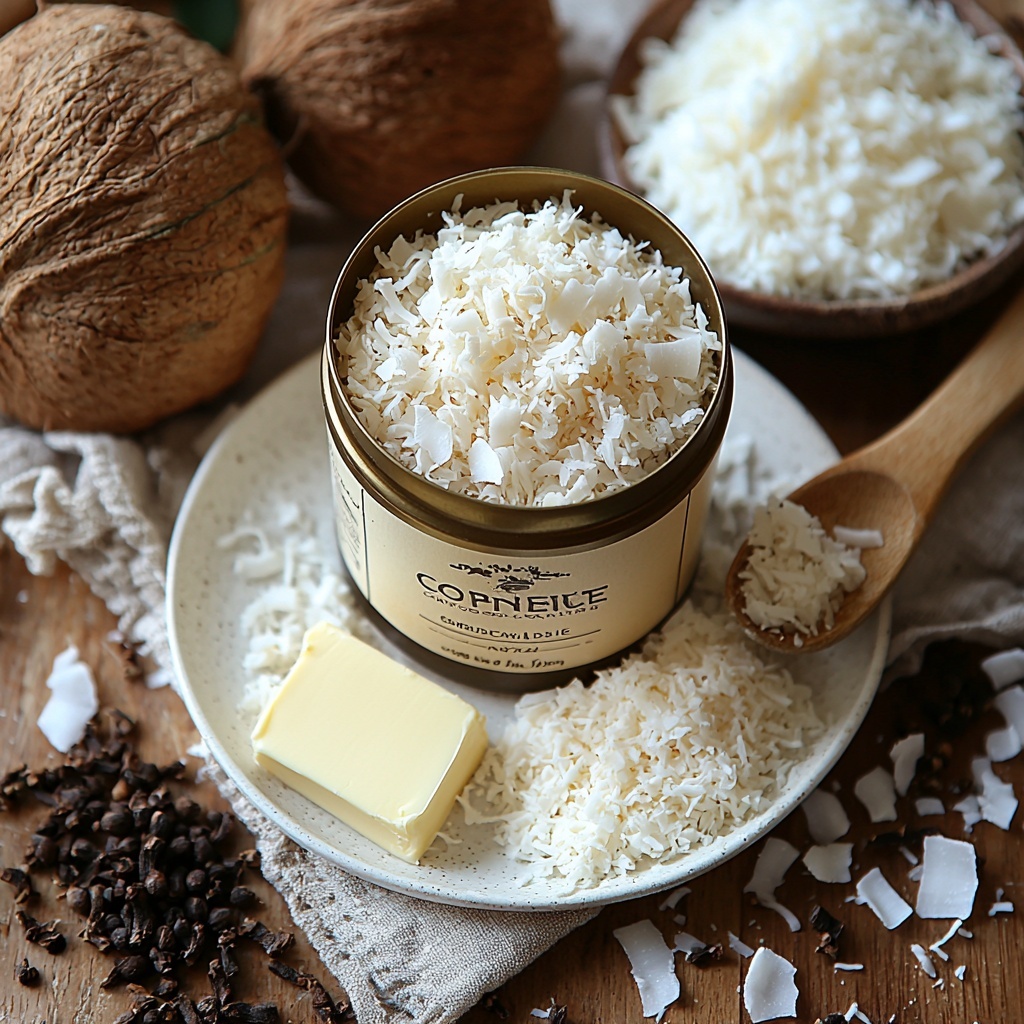
The magic of the Beijinho (Brazilian Coconut Balls) Recipe lies in its simplicity. Each ingredient plays a crucial role—from the smooth sweetness of condensed milk to the nutty bite of grated coconut—coming together to create the perfect balance of flavor and texture.
- Sweetened condensed milk: This is the creamy base that gives beijinhos their luscious texture and signature sweetness.
- Unsweetened grated coconut: Adds authentic coconut flavor and a slight texture contrast, keeping things interesting.
- Unsalted butter: Enhances richness and prevents the mixture from sticking, ensuring smooth balls.
- Grated coconut for rolling: Provides a lovely coconut coating that makes biting into each ball a delight.
- Whole cloves for decorating: These add a traditional look and a subtle aromatic touch, but remember to remove them before eating!
How to Make Beijinho (Brazilian Coconut Balls) Recipe
Step 1: Cook the Coconut Mixture
Start by combining sweetened condensed milk, grated coconut, and butter in a medium saucepan over medium-low heat. Stir frequently for about 10 to 20 minutes. You’ll notice the mixture thickening until it leaves a clear trail when you drag a spatula through the center. This is the key sign that the mixture is ready, or you can use a thermometer and look for 190º-200ºF (88º-95ºC). Patience here pays off, as this cooking step forms the creaminess and body of your beijinhos.
Step 2: Cool the Mixture
Pour the thickened coconut mixture onto a generously buttered plate and spread it evenly. Cover it with plastic wrap to keep it fresh, then let it cool completely at room temperature. Cooling is essential, as it allows the mixture to firm up, making it easier to shape into perfect balls later.
Step 3: Shape the Beijinhos
Once cooled, grease your hands with butter to avoid sticking and scoop out about 1 tablespoon of the mixture. Roll it smoothly between your palms into a small ball, roughly the size of a cherry. You should get between 20 to 25 of these charming treats from this recipe. This step is fun and quite satisfying as you shape little bites of bliss.
Step 4: Coat with Coconut and Decorate
Place grated coconut on a plate and gently roll each ball in it until fully coated. This adds an extra layer of coconut flavor and a beautiful snowy finish. Then, press a single whole clove into the center of each ball for that classic Beijinho look and its subtle spicy aroma.
Step 5: Ready to Serve
Your Beijinhos are now ready to grace your table! Arrange them as-is or set them delicately in small paper cups for an elegant touch. Don’t forget to let your friends know to remove the cloves before enjoying these creamy coconut treasures.
How to Serve Beijinho (Brazilian Coconut Balls) Recipe
Garnishes
While the traditional clove garnish is iconic, you can mix things up by adding a tiny piece of candied cherry on top or a light drizzle of chocolate for an unexpected twist. Just remember that simplicity is a big part of this recipe’s charm, so keep garnishes subtle to let the coconut shine.
Side Dishes
Beijinhos pair wonderfully with a hot cup of coffee or Brazilian-style espresso. They also complement other brigadeiros or savory snacks at parties, providing a sweet counterbalance. If serving at a brunch or tea party, fresh tropical fruits like mango or pineapple make perfect nearby companions.
Creative Ways to Present
For a festive vibe, arrange Beijinhos in colorful mini cupcake liners and place them on a tiered stand. Alternatively, you can stack them in a decorative jar or package them in little gift boxes as delightful homemade treats. Presenting them with a personal note about the recipe’s Brazilian roots will surely impress your guests.
Make Ahead and Storage
Storing Leftovers
Keep any leftover beijinhos in an airtight container in the refrigerator. They will maintain their flavor and texture nicely for up to 5 days, though they are best enjoyed fresh. Cooling helps preserve their delicate creaminess without becoming too firm.
Freezing
You can freeze the balls for longer storage by placing them on a baking sheet lined with parchment paper and freezing until solid. Then transfer them to a freezer-safe container. When frozen, they will keep well for up to 3 months without losing their delicious taste.
Reheating
It’s best to enjoy Beijinho (Brazilian Coconut Balls) Recipe cold or at room temperature. If you prefer them softer, just let the frozen balls thaw in the fridge overnight. Avoid microwaving as it may alter the texture and cause the mixture to become too sticky or oily.
FAQs
What does Beijinho mean?
“Beijinho” translates to “little kiss” in Portuguese, perfectly capturing the sweet, tender nature of these coconut balls cherished in Brazilian celebrations.
Can I use shredded coconut instead of grated coconut?
Yes, shredded coconut works just fine and can add a slightly different texture, often a bit more chewiness, which some people prefer for this recipe.
Are Beijinhos gluten-free?
Absolutely! Since this recipe uses no flour or gluten-containing ingredients, it’s naturally gluten-free and safe for those with gluten sensitivities.
Can I make Beijinho without butter?
Butter adds richness and helps the mixture bind smoothly, but you could use a neutral oil if needed. Just keep in mind the flavor and texture might be slightly different.
Why do some recipes use cloves on Beijinhos?
The cloves lend a traditional decorative touch and a hint of warm spice aroma that complements the coconut flavor. Just be sure to remove them before eating, as they are not meant to be consumed whole.
Final Thoughts
Making Beijinho (Brazilian Coconut Balls) Recipe is like inviting a little piece of Brazilian joy into your kitchen. These sweet, tender treats are straightforward to prepare and bring smiles with every bite. Whether you’re sharing with family, gifting to friends, or enjoying a quiet moment yourself, this recipe is a sure way to brighten any day. You have to try it and experience just how delightful and comforting these coconut balls can be!
Print
Beijinho (Brazilian Coconut Balls) Recipe
- Prep Time: 15 minutes
- Cook Time: 20 minutes
- Total Time: 35 minutes
- Yield: 25 beijinhos
- Category: Dessert
- Method: Stovetop
- Cuisine: Brazilian
- Diet: Vegetarian
Description
Beijinho is a traditional Brazilian coconut sweet made from sweetened condensed milk, grated coconut, and butter, cooked until thickened, shaped into small balls, rolled in coconut, and decorated with cloves. This simple and delicious treat is perfect for parties and special occasions.
Ingredients
Base Ingredients
- 1 can (14oz/396g) sweetened condensed milk
- 1 ⅓ cups (100g) unsweetened grated coconut
- 1 tablespoon unsalted butter (plus more for greasing plate and hands)
For Rolling and Decoration
- Grated coconut for rolling
- Whole cloves for decorating
Instructions
- Cook the mixture: In a medium-sized saucepan or small Dutch Oven, combine the sweetened condensed milk, grated coconut, and butter. Cook over medium-low heat for 10-20 minutes, stirring frequently, until the mixture thickens and leaves a trail when a rubber spatula runs through it. Alternatively, cook until it reaches 190º-200ºF (88º-95ºC).
- Cool the mixture: Transfer the thickened mixture to a generously buttered plate and spread into a single even layer. Cover with plastic wrap and let it cool completely to room temperature.
- Shape the balls: Once cooled, grease your hands with butter and use about 1 tablespoon of mixture to form smooth, round balls roughly the size of a cherry. This recipe yields about 20 to 25 balls.
- Roll and decorate: Spread grated or shredded coconut on a plate. Roll each ball in the coconut to coat entirely, then insert one whole clove into the center of each ball for decoration.
- Serve: Serve the beijinhos as-is or placed in small paper cups. Remind guests to remove the cloves before eating for safety.
Notes
- Use unsweetened grated coconut for the authentic texture and flavor.
- Butter helps prevent sticking and adds richness, but can be omitted if dairy-free substitutes are preferred.
- The mixture needs to be thick enough to hold shape but not too dense; cooking time may vary slightly based on your stove.
- If you don’t have a thermometer, look for the trail the spatula leaves as an indicator of doneness.
- Be careful when inserting cloves; they are only for decoration and must be removed before eating.