
“`html
If you’ve ever dreamed of sinking your teeth into warm, flaky, buttery croissants fresh from your own kitchen, this Homemade Croissant Rolls Recipe is the perfect place to start that delicious adventure. With patient kneading, careful layering, and just the right amount of buttery love, these croissant rolls bring a bakery-worthy treat right to your table, filling your home with irresistible aromas and that perfect golden crust you can’t wait to break apart.
Ingredients You’ll Need
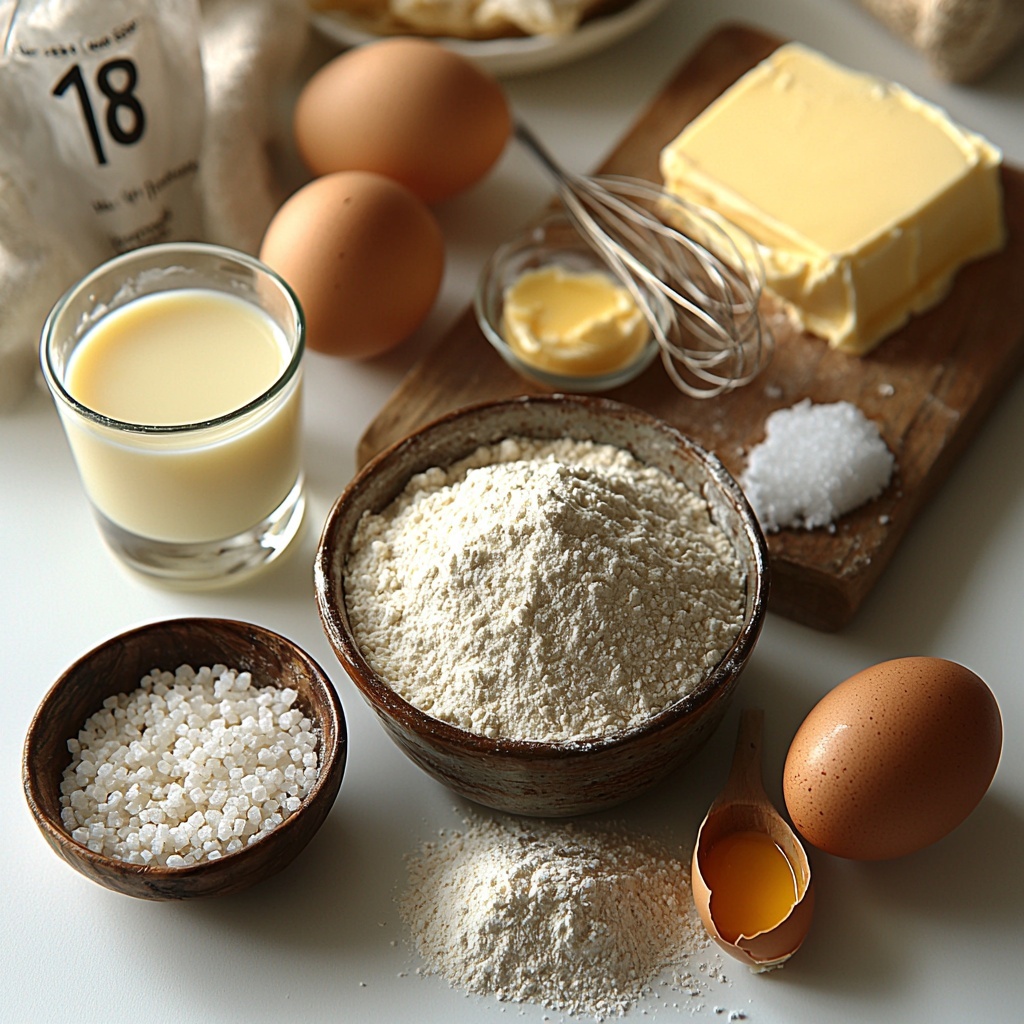
The magic of this Homemade Croissant Rolls Recipe comes alive with simple, everyday ingredients thoughtfully combined. Each element plays a crucial role in building the tender, flaky texture and rich flavor that make these croissants such a beloved classic.
- All-purpose flour: The backbone of your dough, providing structure and chewiness.
- Active dry yeast: Responsible for that wonderful rise and airy crumb inside every roll.
- Warm milk (or a milk and water combo): Creates a tender dough and helps activate the yeast gently.
- Granulated sugar: Adds a subtle sweetness that balances the buttery richness.
- Salt: Enhances flavors and controls yeast activity for perfect fermentation.
- Unsalted butter (for dough laminate and brushing): The star ingredient that transforms layers into flaky, melt-in-your-mouth perfection.
- Eggs (for enriching dough and optional egg wash): Boosts richness and gives the croissants a beautiful golden sheen when brushed on top.
How to Make Homemade Croissant Rolls Recipe
Step 1: Activate Yeast & Mix Dough
Begin by proofing your yeast in warm milk (or your milk-water combo) with a pinch of sugar until it blooms into a frothy layer. This step is key to ensuring your croissants rise beautifully. Next, whisk in the eggs, sugar, salt, melted butter, and half of the flour to start forming your dough.
Step 2: Knead & First Rise
Add the remaining flour little by little, aiming for a dough that is soft yet no longer sticky to the touch. Knead it until it becomes silky and smooth. Then, cover your dough and let it rest in a cozy spot until it doubles in size — this patience rewards you with the perfect airy croissant texture.
Step 3: Laminate Dough
Roll the dough out into a neat rectangle, then spread a generous layer of cold butter over two-thirds of the surface. Fold the dough over itself like a letter, rotate it, and chill it in the refrigerator for 30 minutes. Repeat this lamination process 2 to 3 times, which creates the irresistible flaky layers you crave in every bite.
Step 4: Shape the Rolls
Once your beautifully laminated dough is ready, cut it into triangles. Starting at the wide base, roll each triangle tightly toward the tip, tucking the point underneath to keep the rolls snug and tidy while baking.
Step 5: Second Rise & Egg Wash
Set your shaped rolls aside for a second rise until they’re puffy and full of promise. Just before baking, brush them generously with egg wash to achieve that coveted shiny and golden crust that makes croissants so visually stunning and mouth-watering.
Step 6: Bake
Slide your tray into a preheated oven at 350°F and bake the rolls for 16 to 18 minutes until they’re luxuriously golden brown. The smell wafting through your kitchen during this time is a reward in itself.
How to Serve Homemade Croissant Rolls Recipe
Garnishes
A simple sprinkle of powdered sugar dusts your croissants with a touch of elegance, while a light spread of apricot jam or butter enhances their buttery flavor without overpowering the delicate layers. Fresh herbs or a pinch of flaky sea salt can also add a surprising twist if you’re feeling adventurous.
Side Dishes
These croissant rolls pair wonderfully with fresh fruit, like juicy berries or sliced melon, and creamy cheeses such as brie or cream cheese. They also complement hearty breakfasts with scrambled eggs and crisp bacon, making your meal feel indulgently complete.
Creative Ways to Present
Serve your croissant rolls as the centerpiece of a charming brunch platter with small bowls of honey, fruit preserves, and nut butters. For a savory twist, slice them open and fill with ham, cheese, and leafy greens for a sandwich that’s anything but ordinary.
Make Ahead and Storage
Storing Leftovers
If you find yourself with extra croissant rolls, store them in an airtight container at room temperature where they will stay fresh for 3 to 4 days. This keeps the texture tender without losing that delightful flakiness.
Freezing
To enjoy your Homemade Croissant Rolls Recipe at a later date, wrap each roll tightly in plastic wrap and place them in a freezer-safe bag. Properly stored, they can be frozen for up to 1 month without sacrificing taste or texture.
Reheating
Reheat your rolls in a 350°F oven for 5 to 7 minutes to restore their crisp exterior and soft, buttery layers. Avoid microwaving, as it can make them chewy and less enjoyable.
FAQs
Can I use instant yeast instead of active dry yeast?
Yes! Instant yeast can be used, but since it doesn’t require proofing, you can mix it directly with the flour, slightly adjusting the liquid temperature to avoid killing the yeast. This can save some time without compromising rise.
How important is the lamination step in this recipe?
Lamination is essential. It’s what creates the iconic flaky layers in croissants. Skipping or rushing through this step will result in a dough more like a buttery roll than a true croissant, so be patient and enjoy the process!
Can I make these croissants dairy-free?
Absolutely! Substitute unsalted butter with plant-based margarine and use a dairy-free milk alternative like almond or oat milk. Keep in mind that the texture may vary slightly, but the results will still be delicious.
Is it possible to make the dough ahead of time?
You can prepare the dough up to the first rise the night before and refrigerate it overnight. This slow fermentation can add even more flavor, just be sure to let it come to room temperature before continuing with lamination.
What if my dough feels too sticky or too dry?
Flour can vary, so if your dough is too sticky to handle, add a touch more flour a tablespoon at a time. If it feels too dry and crumbly, add a small splash of warm milk to bring it together gently without making it wet.
Final Thoughts
This Homemade Croissant Rolls Recipe is genuinely one of those kitchen triumphs that make you feel like a baking wizard. Once you experience the joy of crafting these flaky, buttery rolls from scratch, they’ll quickly become a favorite treat to share with friends and family. So roll up your sleeves, embrace the process, and enjoy every flaky bite!
“`
Print
Homemade Croissant Rolls Recipe
- Prep Time: 45 minutes
- Cook Time: 18 minutes
- Total Time: 3 hours 30 minutes
- Yield: 24 croissant rolls
- Category: Bread
- Method: Baking
- Cuisine: French
Description
This recipe guides you through making classic homemade croissant rolls, featuring flaky, buttery layers achieved through a traditional lamination process. Perfectly golden and slightly crisp on the outside, these croissants have a tender, airy crumb inside, ideal for breakfast or an indulgent snack.
Ingredients
Dough Ingredients
- 4 cups (500g) all-purpose flour
- 2 1/4 teaspoons active dry yeast (1 packet)
- 1 cup warm milk (about 110°F/43°C) or a mixture of milk and water
- 1/4 cup granulated sugar
- 1 1/2 teaspoons salt
- 3/4 cup (170g) unsalted butter, melted (for dough)
- 2 large eggs
Lamination and Finishing
- 1 cup (225g) cold unsalted butter for laminating
- 1 egg (for egg wash, optional)
Instructions
- Activate yeast & mix dough: Proof the active dry yeast by combining it with the warm milk (or milk-water combo) and a pinch of sugar. Let it sit until foamy, about 5-10 minutes. Then whisk in the eggs, granulated sugar, salt, melted butter, and half of the all-purpose flour to form a batter.
- Knead & first rise: Gradually add the remaining flour and knead the mixture to form a soft but non-sticky dough. Knead thoroughly until the dough is smooth and elastic. Place the dough in a bowl, cover it, and let it rise until doubled in size, approximately 1 to 1.5 hours.
- Laminate dough: Roll the risen dough into a large rectangle on a lightly floured surface. Spread the cold butter evenly over two-thirds of the dough. Fold the unbuttered third over the center, then fold the remaining third over the top, like folding a letter. Rotate the dough 90 degrees and refrigerate for 30 minutes. Repeat this rolling and folding process 2 to 3 times to create multiple flaky layers.
- Shape the rolls: After the final refrigeration, roll the dough out again into a rectangle. Cut it into triangles. Starting from the wide base of each triangle, roll it up tightly towards the tip. Tuck the tip underneath the roll to secure the shape.
- Second rise & egg wash: Place the shaped croissant rolls on a baking sheet lined with parchment paper. Let them rise at room temperature until puffy and nearly doubled in size, about 45-60 minutes. Beat an additional egg and brush it lightly over the rolls to give them a glossy, golden finish.
- Bake: Preheat the oven to 350°F (175°C). Bake the croissant rolls for 16 to 18 minutes or until they are golden brown and fully cooked through. Remove from the oven and allow to cool slightly before serving.
Notes
- Ensure the butter used for laminating is very cold to achieve distinct flaky layers.
- You can use milk or a combination of milk and water for activating yeast; milk adds richness.
- Do not rush the lamination process; refrigerate between folds to keep the butter from melting.
- For extra shine and color, apply the egg wash just before baking.
- The dough can be refrigerated overnight after the first rise for convenience; bring it back to room temperature before laminating.
- Store leftover croissants in an airtight container at room temperature for up to 2 days or freeze for longer storage.