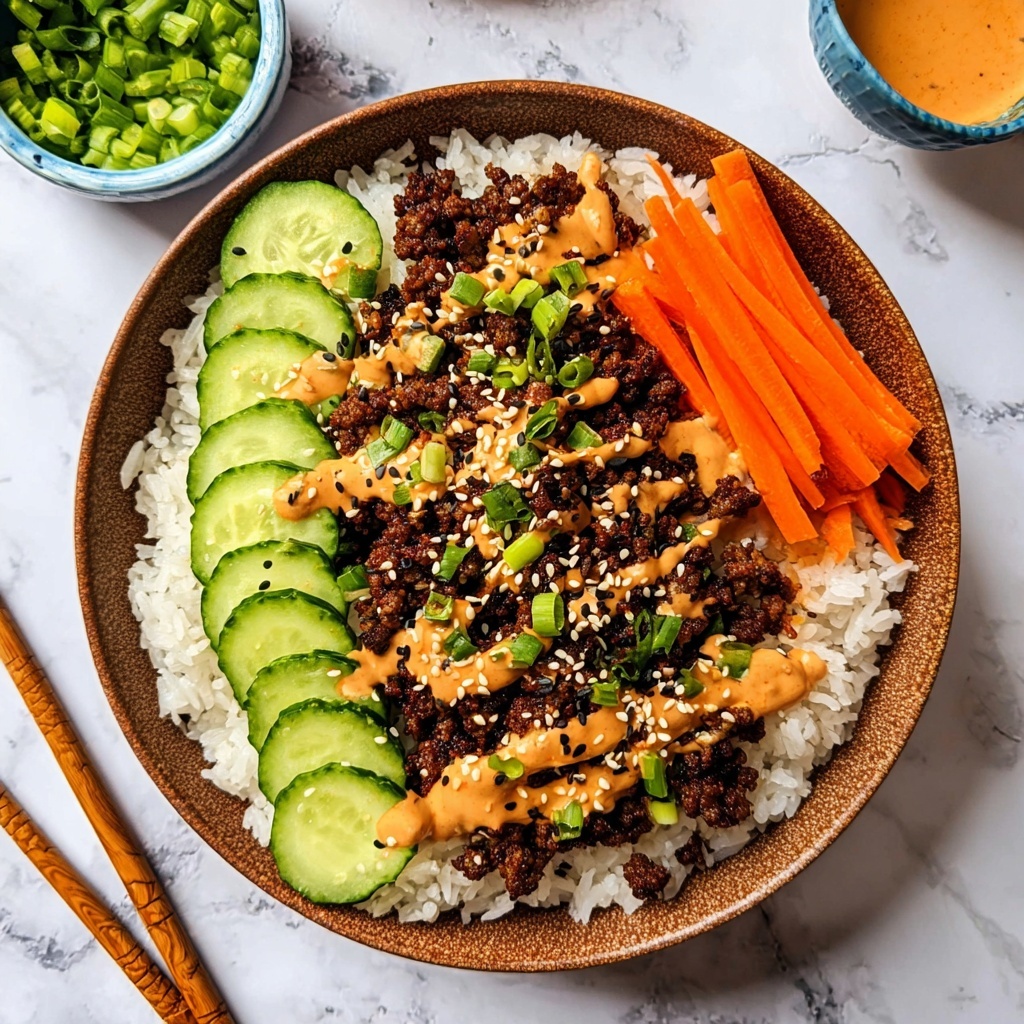
The Korean Beef Bowls Recipe is an absolute game-changer for busy weeknights when you want something packed with flavor yet simple to throw together. Imagine tender, savory ground beef infused with garlic, ginger, and a delightful mix of soy sauce and gochujang, all served atop fluffy rice with refreshing crunchy veggies. This dish strikes the perfect balance between sweet, salty, and spicy, making it an instant favorite for family dinners or casual get-togethers. Once you try this Korean Beef Bowls Recipe, it’s bound to become a staple in your culinary rotation.
Ingredients You’ll Need
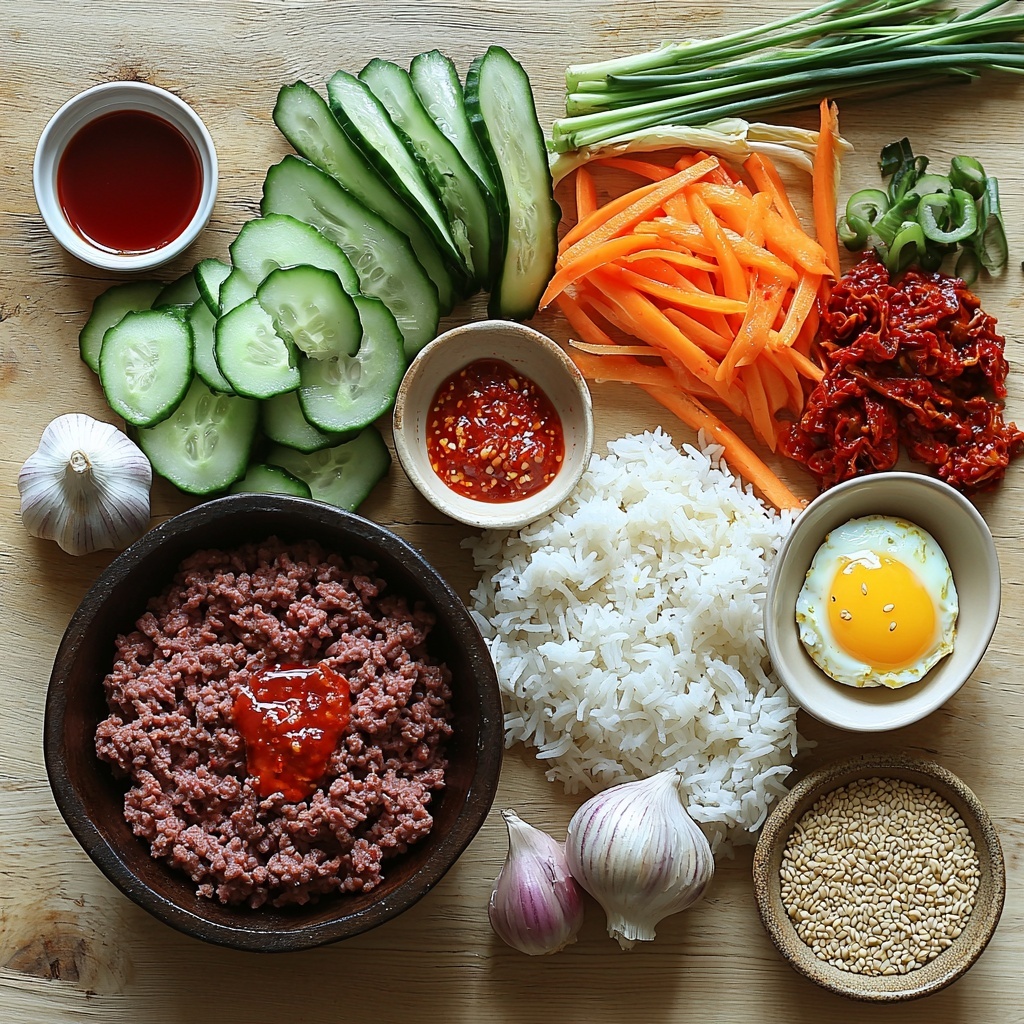
This Korean Beef Bowls Recipe uses straightforward, pantry-friendly ingredients, each bringing its own magic to the final dish. From the umami-rich soy sauce to the fiery kick of gochujang paste, every component plays an essential role in layering taste, texture, and color for a truly satisfying bowl.
- 1 lb. Ground Beef (80/20, 85/15, or 93/7%): The star protein that provides hearty, juicy flavor and the perfect base.
- 3 Garlic Cloves (minced): Adds aromatic depth and a savory punch that wakes up every bite.
- 2 teaspoons Fresh Ginger (grated): Offers a warm, zesty note that perfectly complements the beef and sauces.
- 1/3 cup Soy Sauce: Delivers essential saltiness and umami, bringing everything together beautifully.
- 3 Tablespoons Brown Sugar (or honey): Balances the savory with a touch of sweet richness for complexity.
- 1 Tablespoon Gochujang Paste (or 2 teaspoons chili garlic sauce): Provides that signature Korean spicy sweetness with a subtle fermented tang.
- 1 teaspoon Rice Vinegar (omit if using chili garlic sauce): Adds brightness and acidity that lifts the dish.
- 1/4 to 1/2 teaspoon Red Chili Flakes: Adjust the heat level to your liking for a gentle or bold kick.
- Cooked Rice: The comforting, fluffy canvas for all the bold flavors to shine upon.
- 1 Hot House Cucumber (sliced): Brings fresh crunch and cooling contrast against the spicy beef.
- 1-2 Carrots (julienned or shredded): Adds sweetness, color, and a satisfying crisp texture.
- 2 Green Onions (sliced): For a mild onion flavor and a pop of green freshness.
- Optional: Kimchi, sesame seeds, fried egg: Fantastic toppings that add tang, nuttiness, and extra richness.
- 1/4 cup Mayonnaise: Used to create a spicy mayo drizzle that adds creaminess and heat.
- 2 teaspoons Sriracha: Mixed into mayo for that trendy, fiery finishing touch.
How to Make Korean Beef Bowls Recipe
Step 1: Cook the Rice and Brown the Beef
Start by preparing your rice according to package instructions to get that perfectly fluffy base. While the rice cooks, heat a large skillet over medium heat. For extra flavor, you can add a splash of oil, but lean ground beef usually releases enough fat. Toss in the ground beef and gently break it apart with your spatula as it cooks, letting it brown evenly until it’s nicely caramelized. This step sets a savory foundation that’s key to the dish’s irresistible flavor profile.
Step 2: Build the Flavor with Aromatics and Sauce
Once the beef has browned, add minced garlic and freshly grated ginger directly into the pan. Cooking them for about a minute releases all their fragrant oils and deepens the taste. Next, pour in the soy sauce, brown sugar, and if you like, a couple teaspoons of sesame oil for a nutty edge. Stir in the gochujang paste or chili garlic sauce along with rice vinegar, if using, and sprinkle red chili flakes for heat. Let this simmer gently for 2-3 minutes so the sauce thickens slightly and beautifully coats every bite of beef.
Step 3: Assemble the Korean Beef Bowls Recipe
It’s time to bring it all together! Spoon generous portions of steamed rice into bowls. Top the rice with the luscious, saucy Korean beef. Then, add all those fresh, crunchy veggies—sliced cucumber, shredded or julienned carrots, and sliced green onions—to balance out the rich meat. For an extra layer of flavor and texture, consider adding optional kimchi, sprinkling toasted sesame seeds, or crowning it with a perfectly fried egg that adds luscious yolk creaminess to every mouthful.
Step 4: Drizzle with Spicy Mayo (Optional but Highly Recommended)
If you’re craving a creamy, spicy finish, mix together mayonnaise and sriracha in a small bowl. This spicy mayo drizzle not only brings heat but also a silky texture that elevates the entire bowl. Drizzle it artistically on top and, if you haven’t already, sprinkle sesame seeds for that beautiful, nutty crunch that ties everything together.
How to Serve Korean Beef Bowls Recipe
Garnishes
The garnishes are what make the Korean Beef Bowls Recipe pop visually and flavor-wise. Sliced green onions add a mild sharpness, while crunchy julienned carrots and cucumbers refresh each bite. Sprinkle toasted sesame seeds for a delicate crunch, and if you’re feeling indulgent, topping your bowl with a fried egg gives that silky richness that turns this dish into pure comfort food perfection.
Side Dishes
While Korean Beef Bowls work wonderfully as a full meal on their own, pairing them with classic Korean sides like kimchi amplifies the experience with tangy, fermented brightness. You can also serve them alongside simple steamed or stir-fried vegetables for extra color and nutrition. A light miso soup or seaweed salad makes a thoughtful accompaniment if you’re aiming to create a fun Korean-inspired feast.
Creative Ways to Present
For an eye-catching presentation, try layering the ingredients in clear bowls or mason jars—letting each colorful layer peek through is an inviting sight. You could also arrange the bowls buffet-style for a casual gathering so everyone can build their own with different veggies and garnishes. Drizzling that spicy mayo in zigzags adds a playful yet professional touch everyone will appreciate.
Make Ahead and Storage
Storing Leftovers
Leftover Korean Beef Bowls Recipe stores beautifully in airtight containers in the refrigerator for up to 3 days. Keep the beef and cooked rice together or separate if you prefer to reheat them individually. For best texture, store fresh veggies and spicy mayo separately and add just before serving to maintain crispness and freshness.
Freezing
You can freeze the cooked beef mixture in a freezer-safe container for up to 2 months. Rice doesn’t freeze as well, so it’s better to prepare fresh rice when reheating. To freeze, let the beef cool completely, then portion it out to thaw individually for easy meals later. Avoid freezing the fresh veggies or sauces, as their texture won’t hold up well.
Reheating
Reheat the beef mixture gently in a skillet over medium-low heat to prevent it from drying out—add a splash of water or soy sauce if needed to keep it saucy. Microwave reheating is fine but cover loosely to keep moisture in. Add fresh cucumber, carrots, and any raw garnishes after reheating for the best contrast in texture.
FAQs
Can I use ground chicken or turkey instead of beef?
Absolutely! Ground chicken or turkey are great leaner alternatives. Just keep in mind they might cook faster and won’t have the same rich flavor as beef, so consider adding a touch more soy sauce or sesame oil to boost the taste.
What if I can’t find gochujang paste?
If gochujang isn’t available, chili garlic sauce is a solid substitute that still delivers heat and a bit of sweetness. Remember to omit the rice vinegar when using chili garlic sauce since it already has acidity.
Is this recipe spicy? Can I reduce the heat?
The recipe has a mild to moderate spice level thanks to the gochujang and red chili flakes, but you can easily adjust it by using less chili flakes or gochujang. Adding the spicy mayo is optional, so skipping it will also reduce the overall heat.
Can I make this Korean Beef Bowls Recipe vegetarian?
While the classic recipe centers on beef, you can swap in firm tofu or a mix of mushrooms for a tasty vegetarian version. Use the same sauce ingredients and cook the tofu or mushrooms until nicely browned for that satisfying texture.
What rice is best to use for this dish?
Short or medium-grain white rice works wonderfully and gives that sticky texture ideal for Korean dishes. Jasmine rice adds floral notes if you prefer. Brown rice is a nutritious alternative but will change the dish’s texture slightly.
Final Thoughts
There’s just something so comforting and exciting about the Korean Beef Bowls Recipe that keeps me coming back to the kitchen week after week. It’s quick, easy, and bursting with flavor — perfect for anyone looking to impress without spending hours cooking. I hope you give it a try and enjoy every delicious bite as much as I do!
Print
Korean Beef Bowls Recipe
- Prep Time: 10 minutes
- Cook Time: 20 minutes
- Total Time: 30 minutes
- Yield: 4 servings
- Category: Main Course
- Method: Stovetop
- Cuisine: Korean
Description
This flavorful Korean Beef Bowl recipe combines savory ground beef cooked with garlic, ginger, soy sauce, and spicy gochujang paste, served over steamed rice and topped with fresh vegetables like cucumbers, carrots, and green onions. Optional garnishes like kimchi, sesame seeds, and a fried egg add traditional Korean flair. Ready in just 30 minutes, this dish is perfect for a quick, delicious weeknight meal.
Ingredients
Beef Mixture
- 1 lb. Ground Beef (80/20, 85/15, or 93/7%)
- 3 Garlic Cloves (minced)
- 2 teaspoons Fresh Ginger (grated)
- 1/3 cup Soy Sauce
- 3 Tablespoons Brown Sugar (or honey)
- 1 Tablespoon Gochujang Paste (or 2 teaspoons chili garlic sauce)
- 1 teaspoon Rice Vinegar (omit if using chili garlic sauce)
- 1/4 to 1/2 teaspoon Red Chili Flakes
- Optional: 2 teaspoons Sesame Oil
Vegetables & Toppings
- Cooked Rice
- 1 Hot House Cucumber (sliced)
- 1–2 Carrots (julienned or shredded)
- 2 Green Onions (sliced)
- Optional: Kimchi, Sesame Seeds, Fried Egg
Spicy Mayo (Optional)
- 1/4 cup Mayonnaise
- 2 teaspoons Sriracha
Instructions
- Cook the rice and beef: Prepare the rice according to package instructions. Meanwhile, heat a large skillet over medium heat and add a small amount of oil if desired. Add ground beef and cook, breaking it up with a spatula, until browned and cooked through, about 6-8 minutes.
- Add aromatics and sauce: Stir in minced garlic and grated ginger, cooking for about 1 minute until fragrant. Then add soy sauce, brown sugar (or honey), optional sesame oil, gochujang paste or chili garlic sauce, rice vinegar (if using), and red chili flakes. Stir well and let the mixture simmer for 2-3 minutes until slightly thickened.
- Assemble the bowls: Divide the cooked rice into bowls. Spoon the Korean beef mixture evenly over the rice. Top each bowl with sliced cucumbers, shredded or julienned carrots, and sliced green onions. Add optional toppings such as kimchi, sesame seeds, or a fried egg if desired.
- Prepare and add spicy mayo: In a small bowl, combine mayonnaise and sriracha sauce. Drizzle the spicy mayo over the bowls for extra flavor. Optionally, sprinkle with additional sesame seeds to finish.
Notes
- You can adjust the spice level by modifying the amount of gochujang paste or chili garlic sauce and red chili flakes.
- Use brown sugar or honey interchangeably depending on your preference for sweetness.
- For a lower fat option, select leaner ground beef such as 93/7.
- Adding a fried egg on top provides extra protein and richness.
- This recipe can easily accommodate additional vegetables like bell peppers or snap peas for more color and crunch.