“`html
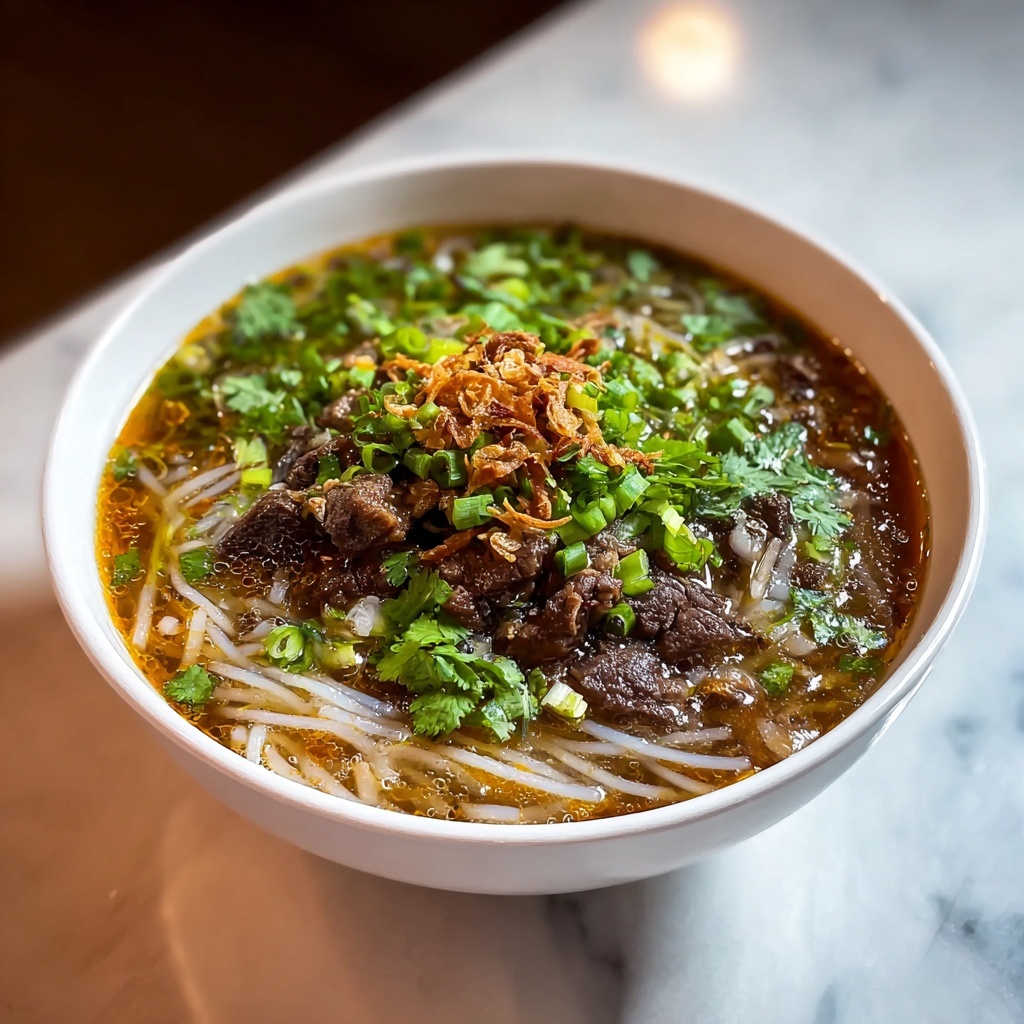
If you’ve ever longed for a comforting, soul-warming bowl of soup that bursts with rich flavors and fresh textures, the Lao Beef Noodle Soup Recipe is exactly what you need in your culinary repertoire. This traditional dish brings together tender, slow-simmered beef, fragrant herbs, and silky rice noodles in a broth that’s both hearty and nuanced. Each spoonful feels like a cozy embrace, making it a perfect go-to recipe for any time you crave something satisfying yet refreshingly vibrant.
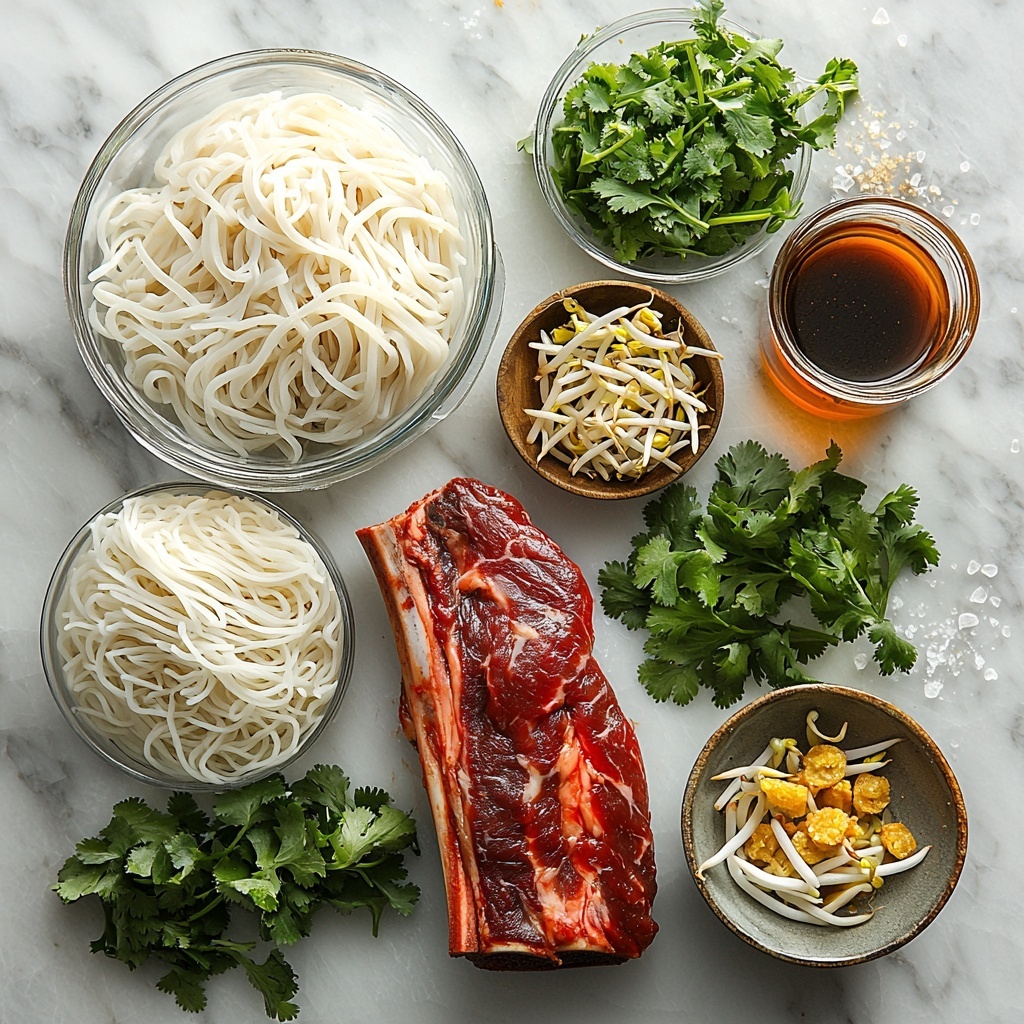
Ingredients You’ll Need
The magic of this Lao Beef Noodle Soup Recipe lies in its simplicity; just a handful of well-chosen ingredients combine to create deep, layered flavors and a delightful variety of textures. Each ingredient plays a crucial role—from the beef bones that build a rich broth to the crisp bean sprouts that add freshness and crunch.
- 1 lb beef bones: The foundation for a deeply savory and gelatin-rich broth that gives the soup its hearty body.
- 1 lb beef shank: Adds tender, flavorful meat that pairs beautifully with the noodles and broth.
- 8 cups water: Used to simmer the bones and shank, extracting all those wonderful flavors into your soup base.
- 1 tbsp fish sauce: Provides an umami punch and authentic Southeast Asian depth.
- 1 tsp salt: Balances and enhances all the flavors in the soup.
- 8 oz rice noodles: Soft and slippery, these noodles soak up the broth perfectly while adding just the right chewiness.
- 1 cup bean sprouts: Adds crispness and lightness to every bite, balancing the rich broth.
- 1 cup chopped green onions: Brings a fresh, mild onion flavor and vibrant green color to the bowl.
- 1 tbsp fried garlic: Introduces a crunchy texture and deep roasted aroma that elevates the soup’s complexity.
- 1 tbsp chopped cilantro: Adds a bright, herbal finish essential to Lao cuisine’s signature freshness.
How to Make Lao Beef Noodle Soup Recipe
Step 1: Prepare the Beef Bones and Shank
Begin by rinsing the beef bones and shank under cold water to remove any impurities. This step ensures a clean and clear broth, which is the backbone of a great Lao Beef Noodle Soup Recipe.
Step 2: Simmer the Broth
Place the cleaned bones and shank into a large pot with 8 cups of water. Bring it all to a rolling boil, and be sure to skim off any foam that rises to the surface to keep your broth nice and clear. Once boiling, reduce the heat to low and let it simmer gently for a full hour. This slow simmer extracts all the rich flavors, collagen, and fullness from the beef, creating a broth you won’t forget.
Step 3: Remove, Slice, and Strain
After simmering, take out the beef shank and let it cool enough to handle. Slice it thinly against the grain for tenderness and maximum flavor in every bite. Strain the broth to remove the bones and any solids, then pour it back into the pot. This ensures an ultra-smooth, flavorful soup base.
Step 4: Season Your Broth
Add 1 tablespoon of fish sauce and 1 teaspoon of salt to the broth, stirring gently to dissolve. Taste and adjust the seasoning if needed—this step is key to balancing the broth’s savory depth with a subtle hint of saltiness.
Step 5: Cook the Rice Noodles
While your broth simmers, prepare the rice noodles according to the package instructions, usually by soaking or briefly boiling them until tender but still slightly chewy. Drain thoroughly to prevent sogginess.
Step 6: Assemble the Soup Bowls
Divide the cooked rice noodles among four bowls. Top each portion with the thinly sliced beef shank. Then, pile on a crisp handful of bean sprouts and a sprinkle of chopped green onions for vibrant color and fresh flavor depth.
Step 7: Add the Finishing Touches and Serve
Sprinkle the fried garlic and chopped cilantro over each bowl. Finally, ladle the steaming hot broth over the noodles and toppings, warming everything through and melding the flavors. Serve immediately and enjoy the perfect harmony of this Lao Beef Noodle Soup Recipe.
How to Serve Lao Beef Noodle Soup Recipe
Garnishes
The best part about serving this soup is the opportunity to customize your garnishes. Crisp bean sprouts, chopped green onions, fried garlic, and fresh cilantro bring bursts of texture and brightness that make every mouthful sing. Feel free to add a squeeze of lime or a handful of fresh basil leaves to add even more fresh herbal notes.
Side Dishes
Pair your Lao Beef Noodle Soup Recipe with light and refreshing sides such as a simple cucumber salad or sticky rice. These accompaniments help balance the richness of the broth and make the meal feel complete and satisfying.
Creative Ways to Present
For a stunning presentation, serve the soup in wide, shallow bowls to showcase the vibrant garnishes and tender meat slices. Adding a small dish of chili flakes or crushed peanuts on the side invites guests to customize their heat and crunch, turning a simple meal into an inviting experience.
Make Ahead and Storage
Storing Leftovers
If you have leftovers of this Lao Beef Noodle Soup Recipe, store the broth, noodles, and toppings separately in airtight containers. Keep refrigerated and consume within 3-4 days to maintain freshness and safety.
Freezing
The broth freezes beautifully, so if you want to preserve it longer, pour it into a freezer-safe container (without noodles or fresh toppings) and freeze for up to 3 months. Thaw overnight in the refrigerator before reheating.
Reheating
When reheating, warm the broth gently on the stove until simmering. If you stored the noodles separately, briefly dunk them in hot water to refresh just before serving and then assemble your soup again for the best texture and flavor.
FAQs
Can I use a different cut of beef for the soup?
Absolutely! While beef shank adds great flavor and tenderness, other cuts like brisket or oxtail can also work well to provide rich, meaty depth to your Lao Beef Noodle Soup Recipe.
What type of rice noodles is best for this recipe?
Medium-width rice noodles are ideal as they soak up the broth while still offering a slight bite. However, feel free to use your favorite variety to suit your texture preference.
Is there a vegetarian version of this soup?
While this classic recipe is beef-based, you can create a vegetarian version by using vegetable broth and tofu, along with the same fresh garnishes for a lighter but equally flavorful bowl.
How long does it take to prepare this soup?
The entire process takes about 1 hour and 20 minutes, mostly due to simmering the bones and meat slowly to develop that deeply satisfying broth.
Can I make this soup spicy?
Definitely! Add fresh sliced chilies, chili flakes, or a spoonful of chili paste as garnishes to bring some heat to your Lao Beef Noodle Soup Recipe without overpowering its delicate flavors.
Final Thoughts
There is something truly special about a bowl of Lao Beef Noodle Soup Recipe that feels both comforting and vibrant. Its rich broth, tender beef, and fresh garnishes come together in a way that’s incredibly satisfying and unforgettable. I can’t wait for you to try making this classic dish at home—you’ll quickly understand why it’s such a beloved favorite! Trust me, once you do, it’ll become one of those go-to recipes that you come back to time and time again.
“`
Print
Lao Beef Noodle Soup Recipe
- Prep Time: 15 minutes
- Cook Time: 1 hour 5 minutes
- Total Time: 1 hour 20 minutes
- Yield: 4 servings
- Category: Soup
- Method: Stovetop
- Cuisine: Lao
- Diet: Halal
Description
Lao Beef Noodle Soup is a comforting and flavorful traditional Southeast Asian dish featuring tender beef shank slices served over delicate rice noodles in a rich, savory beef bone broth, garnished with fresh herbs and crunchy bean sprouts for a perfect balance of textures and aromas.
Ingredients
Broth Ingredients
- 1 lb beef bones
- 1 lb beef shank
- 8 cups water
- 1 tbsp fish sauce
- 1 tsp salt
Noodle Soup Ingredients
- 8 oz rice noodles
- 1 cup bean sprouts
- 1 cup chopped green onions
- 1 tbsp fried garlic
- 1 tbsp chopped cilantro
Instructions
- Prepare the Meat: Rinse the beef bones and beef shank thoroughly under cold running water to remove any impurities and blood, ensuring a clean and clear broth.
- Make the Broth: Place the beef bones and shank into a large pot and cover with 8 cups of water. Bring the water to a rolling boil, then skim off any foam or scum that rises to the surface to keep the broth clear.
- Simmer the Broth: Reduce the heat to low and let the bones and shank simmer gently for 1 hour, allowing the flavors to extract fully and the meat to become tender.
- Slice the Beef and Strain Broth: Remove the beef shank from the pot and set aside to cool slightly before slicing it thinly. Strain the broth through a fine sieve or cheesecloth back into the pot to remove bones and solids.
- Season the Broth: Stir in the fish sauce and salt into the strained broth. Taste and adjust the seasoning as needed for a balanced savory flavor.
- Cook the Noodles: Prepare the rice noodles according to the package instructions, typically by soaking or boiling until al dente. Drain well and divide the noodles evenly into serving bowls.
- Assemble the Soup: Arrange the thin slices of beef shank on top of the noodles, then add bean sprouts, chopped green onions, fried garlic, and chopped cilantro evenly over each bowl.
- Serve: Ladle the hot, seasoned broth over the noodles and toppings just before serving to keep the textures fresh and vibrant. Serve immediately for the best taste and experience.
Notes
- Be sure to skim the broth thoroughly during boiling to achieve a clear soup.
- Adjust fish sauce and salt slowly to avoid overseasoning.
- Use fresh herbs and toppings for authentic flavor and texture contrast.
- If you prefer a richer broth, simmer longer up to 2 hours.
- For gluten-free dining, ensure rice noodles are certified gluten-free.